




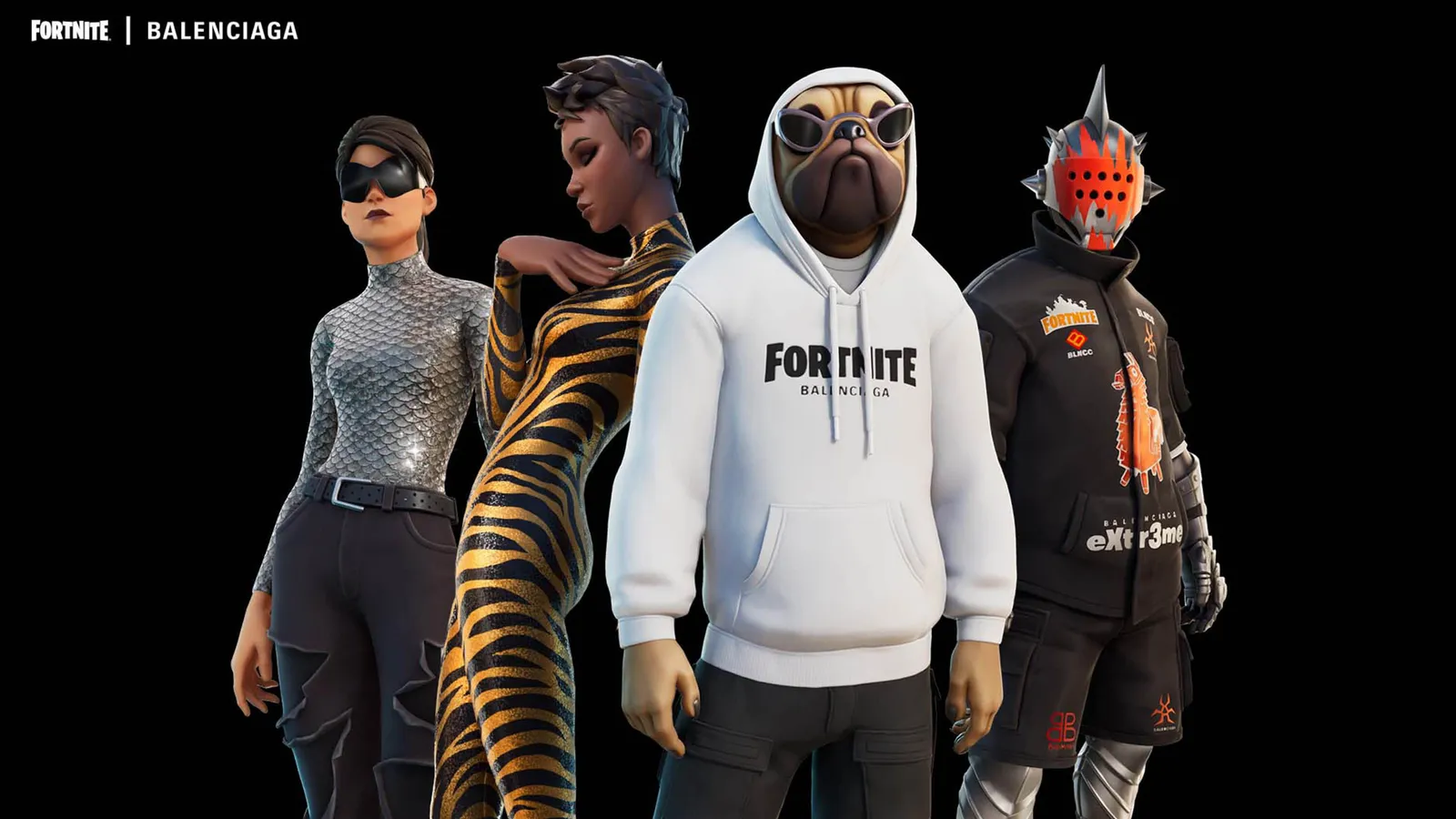
Gaming, Fashion, Generation Alpha…It does make sense but we are not there yet. As we all know, we are slowly turning to the ever-evolving digital world. Many unexpected intersections with technologies are being created. One of which is gaming and fashion. Don’t agree? Look at all the avatars, you can always customise them. In what clothes? Designer and non-designer. This is an extremely powerful conduit for engaging Generation Alpha. Best thing is that even when we don’t realise it, this cohort was with us since 2010. This is the place where you can be anyone you want.
Gen Alpha’s Immersion in Gaming
Recent studies reveal that approximately 83% of Gen Alpha children aged 5–12 engage with video games on a dailybasis, with over 70% participating at least weekly (Dubit Trends, 2023). Furthermore, 62% of these young gamers dedicate more than five hours per week to gaming, underscoring the medium’s significance in their lives (Newzoo, 2023).
Digital Spending and Influence
Gen Alpha exerts considerable influence over household spending, accounting for roughly 27% of non-essential purchases. Notably, nearly 29% of this spending is directed toward digital products (GWI, 2023). Additionally, 64% of children aged 8–15 are reported to spend their own pocket money digitally, demonstrating a high level of financial autonomy in virtual environments (Beano Brain, 2023).
Fashion’s Strategic Entry into Gaming
Luxury fashion brands are increasingly recognizing the potential of gaming platforms as immersive marketing and engagement tools. For instance, Gucci Town on Roblox, launched in May 2022, has garnered over 49 million visits, offering users the opportunity to explore branded environments and purchase virtual Gucci items (Gucci, 2022). Similarly, Burberry x Minecraft introduced a downloadable content (DLC) experience titled “Burberry: Freedom to Go Beyond,” featuring 15 avatar skins and a complementary physical capsule collection (Burberry, 2022).

Identity Formation in Virtual Spaces
For Gen Alpha, avatars serve as extensions of personal identity. Customizing digital appearances is a form of self-expression akin to curating physical outfits. The ability to make fashion choices in virtual settings, supported by their digital spending habits, empowers these young consumers to shape their style narratives both online and offline.

The Future of Fashion Engagement
Fashion brands that integrate into gaming ecosystems are not merely advertising they are facilitating identity exploration and community building. This strategy resonates deeply with Gen Alpha, who are more inclined to support brands they encounter within their digital environments (Deloitte Digital, 2023).

The Gucci Town in specific had for example 19 million visitors to the Gucci Garden within the Roblox metaverse.
Conclusion: A New Frontier for Fashion
Gaming is no longer a niche interest, as it is a central hub for social interaction, creativity, and commerce among Gen Alpha. As fashion continues to adapt to this paradigm, its presence in virtual worlds will be essential for maintaining cultural relevance and fostering authentic connections with the next generation of consumers.
So…dig deep into this topic because it is guaranteed to be worth your time!
Follow Style Cartel on social media for more tech fashion news! Instagram: @StyleCartelOfficial & @StyleCartel_ on TikTok