


IGC’s Katendes on his incredible backstory and his struggle to make it to Manchester Fashion Week.
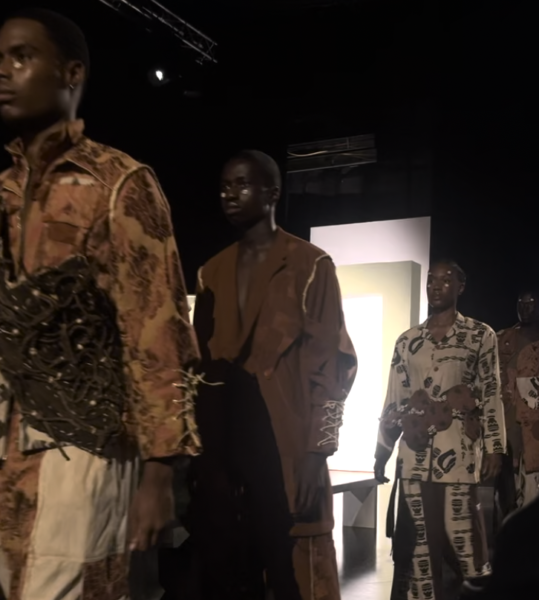 Manchester Fashion Week was a dazzling experience for everyone, but when you’re an incredible designer struggling to get funding, it makes the experience increasingly rewarding. This was the case for IGC’s Katendes, who, despite struggles, showcased his collection at this year’s fashion week.
Walking into the waiting room for the show, I’m greeted with a margarita can and a bottle of water. Juxtaposed with the dimly lit runway, this room is a blur of bright colours and sparkles. I meander around the room, starting up conversations with other excited patrons.
The Buzz of it All
It’s time. The runway is ready. An excited buzz hovers around as we make our way down to the show. I find a seat near the middle. It’s starting.
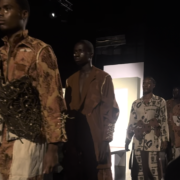
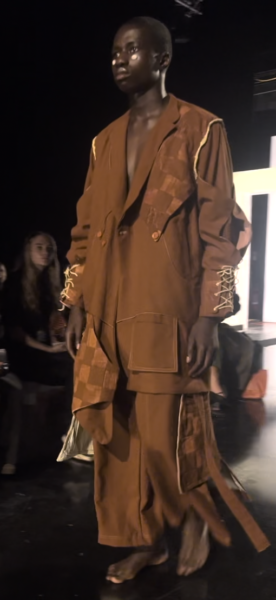
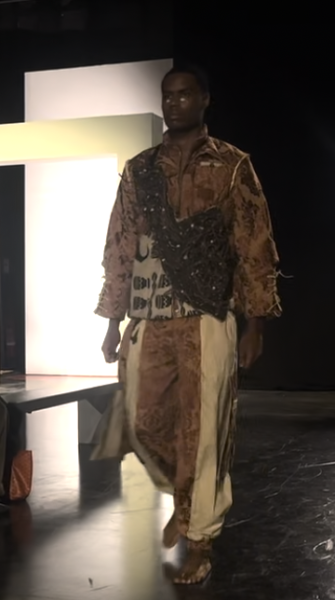
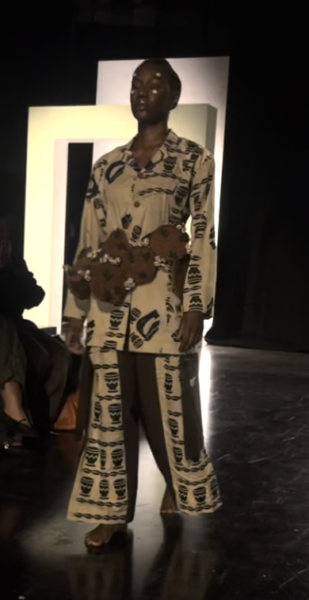
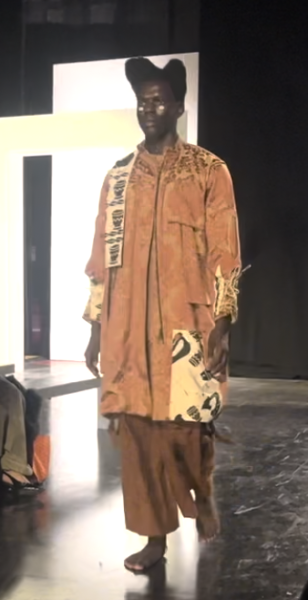
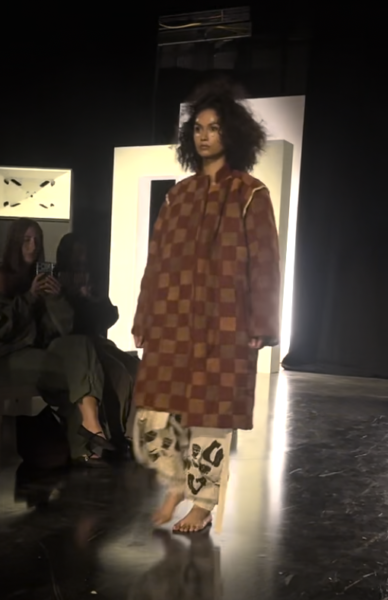 The most incredible pieces, tailored to perfection, walk past me on the most striking models. The garments, a collection of earthy tones, create a statement that celebrates African heritage.
Let’s Talk History
The fabric used to create these pieces is made out of a material called lubugo, which translates to barkcloth, a material that holds a lot of history. Katendes said: “The fabric is one of the indigenous textiles we have in Uganda, but it’s also like the oldest textile on the continent. But the people in Uganda, where it originates from, look at this fabric as an evil fabric.”
Knowing the truth about these fabrics, Katendes wanted to help remove the negative connotation related to lubugo: “I saw fashion as one of the media to start these conversations. I wanted to make sure I do things that can inspire people to come close to the fabric and also break that stigma.
“I have to make sure that the people of Uganda love this fabric instead of fearing it.”
 More Than Just Fabric
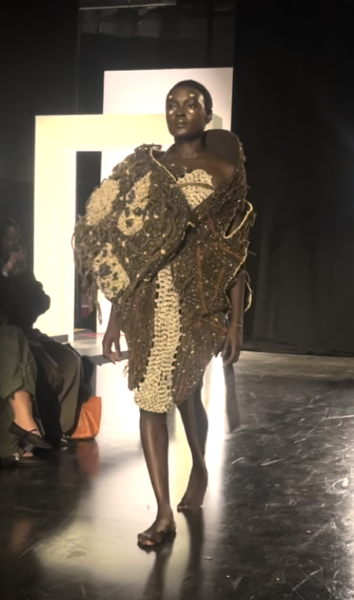
Manchester Fashion Week focused on sustainability: “This is a fabric that comes from the bark of a tree, so it comes from the tree skin. When it’s processed, the tree doesn’t die. So the tree can reproduce this fabric over 70 years, like once each year.”
The fabric, preserved by the Baganda people of Uganda, holds a deeply personal significance, connecting him to his ancestors and the traditions of his homeland. Believed to date back to the 13th century, it represents far more than a textile; it is a symbol of African identity, history and belonging.
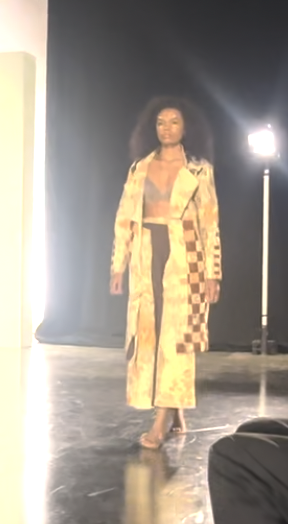 Bringing this heritage to Manchester Fashion Week was therefore a moment of celebration, allowing a textile so deeply rooted in Ugandan history to be introduced to an entirely new audience.
“All I’ve been doing is like basically educate people about the dynasty styles and bring this textile that not so many people know about to Manchester. That was, for me, a celebration. Because so many people got to learn about this collection.”
The Story Behind the Seams
Growing up Katendes’ family struggled with financial instability, which led him towards fashion – a way to help them out of those struggles: “I saw, like, okay, fashion is actually something I can run to and start learning.
 “Where I grew up, it’s like a slum or ghetto area. So we have a lot of people who are unemployed and, you’re exposed to a lot of challenges, but also youths who are misusing drugs. So for me, I feel like growing up looking at that, but also seeing that fashion is one of the things that can liberate me from this chaos happening around me. Somehow it connected me to fashion.”
He also used to be a breakdancer, which is another element he feels inspired his collection and his road to choosing to do fashion: “I realised the power of loving your culture, loving traditions, going back to the roots, and now you see that in my fashion. I feel like this spirit developed from hip hop.”
From Uganda to the Runway
Katende continually gives back to his community: “So, when we started IGC, it was more about teaching fashion skills to community people. It’s the backbone of IGC fashion.
“Fashion is something we can use to change the people living in this kind of situation because fashion saved us, but people don’t have opportunities to access this knowledge.”
 “We go into these communities, we bring people together, and they try out how to use a sewing machine, they try out how to stitch, how to mend clothes, and all that. That’s a project which started in 2016.”
He also runs a project where he takes students under his wing for 6 months. “Loads of people are still having the effects of wars. They have less access to so many things, but they can use skills, and they can use them to support their families.”
Being able to show his collection at Manchester Fashion Week has come with years of struggle and preparation. Due to a lack of funding, he was unable to attend when invited in previous years. His connection to the industry through his sustainability work finally allowed him to show his collection.
 He worked with fashion activist Lavina who also attended Manchester Fashion Week: “We were teaching about the lubugo fabric, and she was part of that panel. So after the panel, we got to [know each other], and she liked IGC’s work. So she devoted herself to be like, okay, let me try to introduce you to people.”
Fashion with a Conscience
This year was Katendes first experience with Manchester Fashion Week; “It was a whole new experience. In Uganda you don’t have all these volunteers on one event. So most of the time you do your preparation by yourself. Backstage there were volunteers; all of them were helping out, making the work so easy for you.
“I feel like it was a community space for people to talk and network and connect. I loved it.”
 Katendes runs sustainable fashion campaigns in Uganda. He is also preparing his collection for its next appearance at Lagos Fashion Week. He’s also holding an event in December to raise awareness of the negative effects fashion can have on the environment.
“It is comprised of a fashion exhibition, panel discussions and film screenings.” The event will provide different solutions to the struggles of the fashion industry on the environment.
The Future Is Fashioned Here
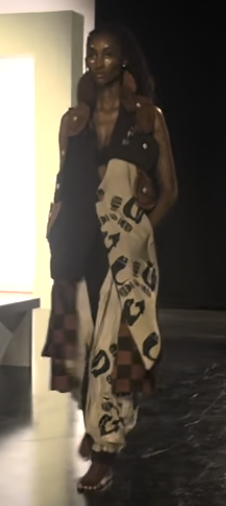
Every piece in IGC’s collection was a beautiful collaboration of different textures, silhouettes and colours. Knowing and understanding the backstory makes this collection all the more meaningful. The work Katendes is completing in Uganda, the sustainability factor of his materials and the understanding of this ancient lubugo are an inspiration to all.
“I’m a sustainable fashion designer. I like making fashion that cares for the environment, and this collection is expanding on that philosophy.”
For more of the latest fashion, beauty and pop culture news, follow Style Cartel on Instagram. Also check out our other articles.