


What if the difference between a guilty verdict and a more lenient sentence came down to what you were wearing? This isn’t a conspiracy theory; it’s the unsettling reality of “Courtcore.” The term was coined by New York Times chief fashion critic Vanessa Friedman. It describes a style of dressing for the courtroom that has been ‘viralised‘ by internet discourse. It turns celeb-centric trials into high-stakes fashion shows. Meticulously crafted wardrobes have become a legal strategic tool. While it might look like a harmless trend. Courtcore exposes a deeper, more troubling truth about how fashion influences perception and, potentially, justice itself.
The Psychology Behind the Gavel
A courtroom is the last place you’d expect fashion to matter, but our brains are hardwired for it. This cognitive shortcut, known as “thin-slicing,” allows us to form instant opinions about a person’s trustworthiness and social status based on non-verbal cues. In a courtroom, where impartiality is everything, a defendant’s attire can become a powerful, non-verbal plea—a “discourse” that can subconsciously shape a juror’s view of innocence or guilt.
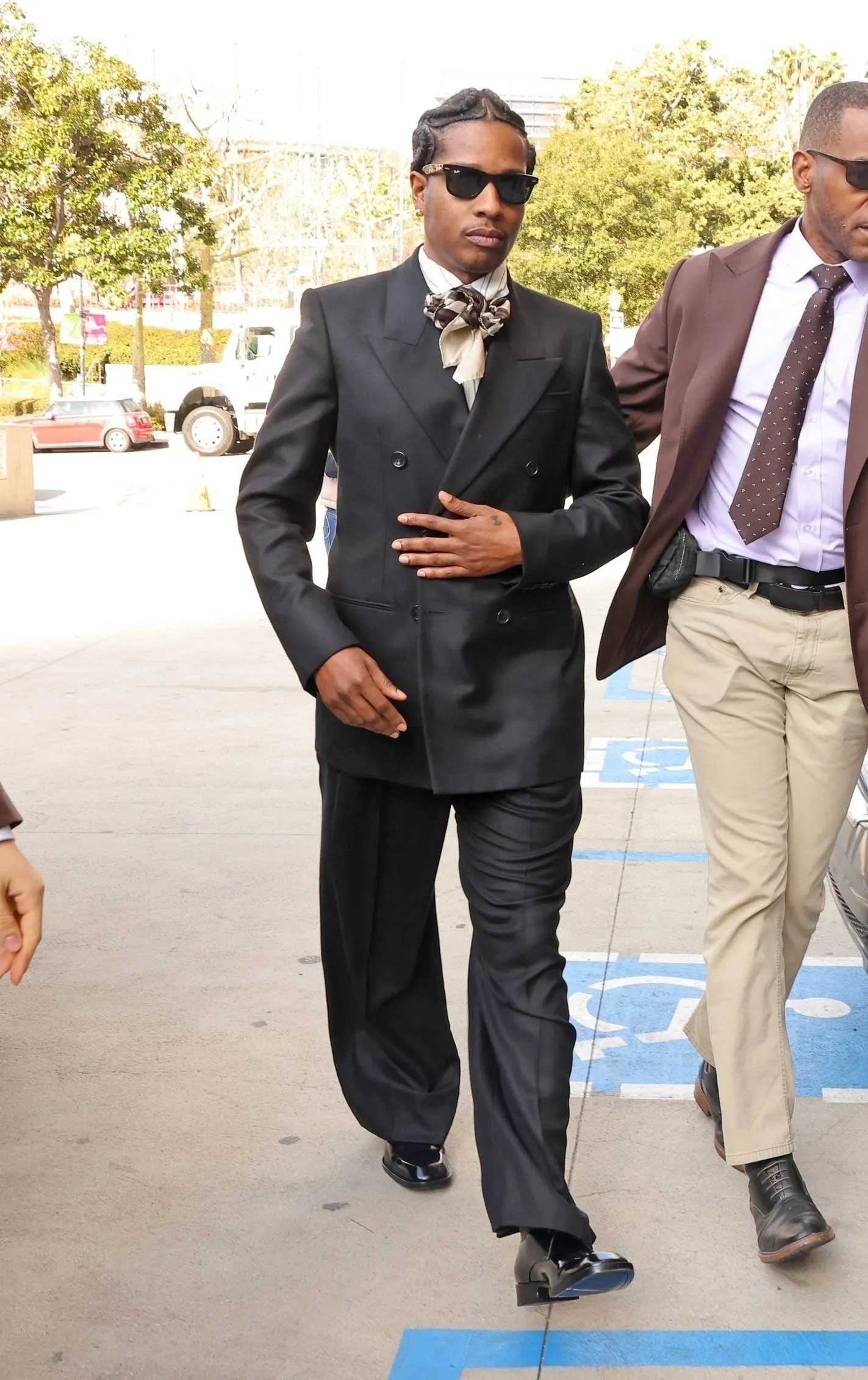
Celebrities have become masters of this game. During her trial for diamond theft, Kim Kardashian arrived quite literally dripping in diamonds, wearing a Samer Halimeh necklace valued at a whopping $3 million. But it didn’t stop there. The necklace paired with an $8,100 Briony Raymond ear cuff, and a spring 1995 John Galliano skirt-suit perfectly cinched with a classic shoulder pad providing the ultimate Kim K silhouette. This bold choice immediately shifted the narrative from a legal issue to a display of untouchable wealth and status.
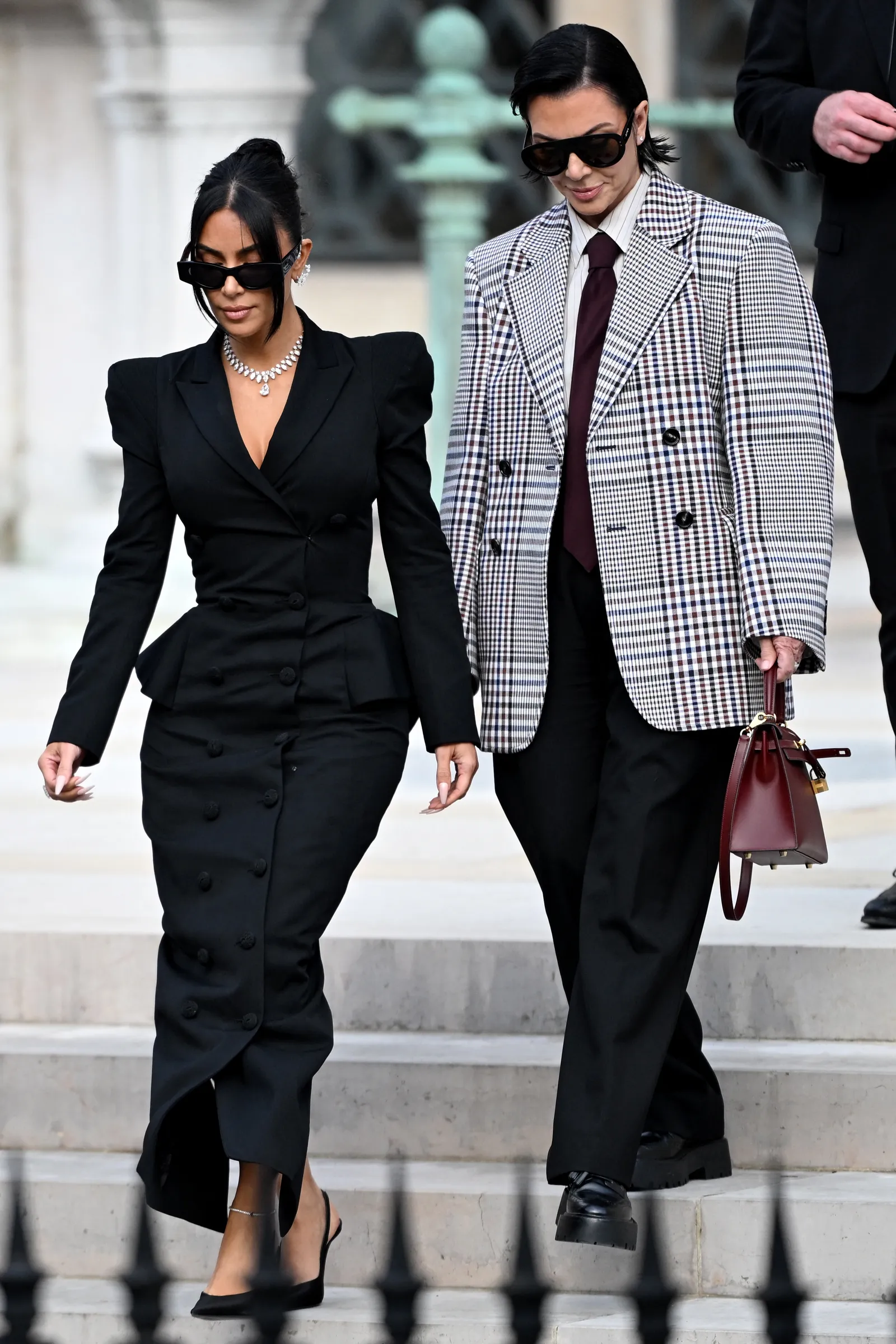
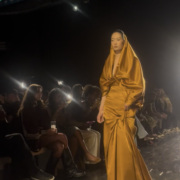
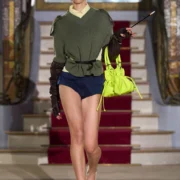
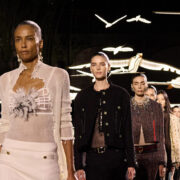
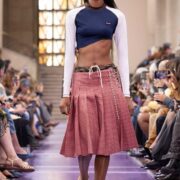
She’s not the only one. In February 2025, A$AP Rocky retained his reputation as a style icon, showing up in impeccably tailored suits from Saint Laurent. Projecting a polished, non-threatening image despite the felony assault trial. This moment particularly influenced his recent stylings, with his second AWGE runway show featuring models dressed as ‘lawyer v. criminal’ passing through metal detector-lined paths—a glimpse into a new kind of ‘court-ordered fashion‘.
A Luxury Few Can Afford
This trend isn’t just a curious celebrity quirk; it’s a vivid illustration of socioeconomic disparity within the justice system. The same courts that tolerate a wealthy defendant’s fashion spectacle often impose strict dress codes on those from less affluent backgrounds. A 2018 article from Harvard Law Review found that security officers disproportionately view Black, brown, and poor citizens as “inappropriately dressed,” reinforcing existing racial profiling issues.
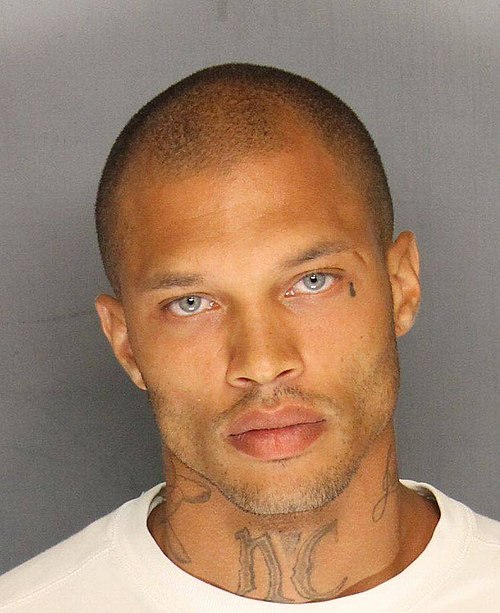
Even beyond wealth, attractiveness can play an outsized role. Research has shown that more attractive defendants are often awarded more lenient sentences. This was famously proven in the case of Jeremy Meeks, the “hot felon”. Meeks saw his recommended 63-month sentence quickly reduced to 27 months after his mug shot went viral. The stereotypes attached to his gang tattoos were seemingly outweighed by the power of his viral attractiveness, demonstrating a clear hierarchy in how perceptions are formed. When fashion and appearance become a life-or-death matter, those with the financial means to hire stylists or are blessed with conventional good looks have an unfair, undeniable advantage.
The Ripple Effect: From Red Carpet to Main Street
While celebrity trials provide the most visible examples of “court-core,” the trend’s impact extends far beyond the rich and famous. This focus on courtroom attire creates a new, unspoken pressure on the general public. For an ordinary person facing trial, there is a new expectation to perform to an imagined audience, to present a wardrobe that signals innocence and respectability. However, unlike celebrities who have access to stylists and luxury brands, the average person cannot simply curate a bespoke legal wardrobe.
This shift sets a dangerous precedent. It unfairly disadvantages those from lower socioeconomic backgrounds who may not own “appropriate” business attire. The stricter the unwritten dress code becomes, the more it disproportionately affects those who already face systemic biases. Instead of being judged solely on the evidence, an individual’s appearance can now subtly contribute to their perceived guilt or innocence, further exposing the court system as a microcosm of society’s larger inequalities.
Courtroom as a Public Performance
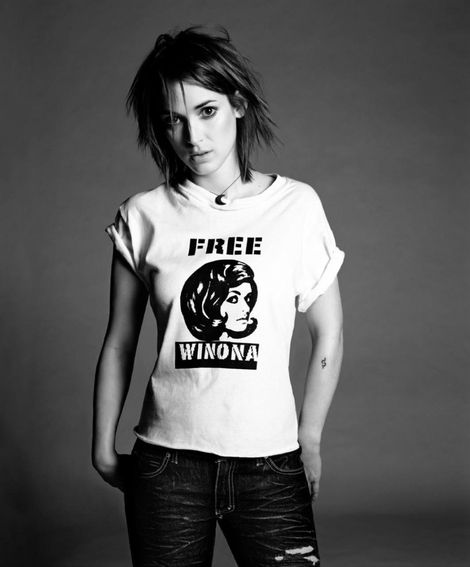
The most compelling examples turn courtroom outfits into full-blown public campaigns, broadcasting a specific narrative beyond the jury box. When Winona Ryder was on trial for shoplifting, she appeared in a seemingly unassuming dress from Marc Jacobs‘ fall 2001 collection. It was a designer she had previously appeared on the cover of W Magazine for in a “Free Winona” tee.
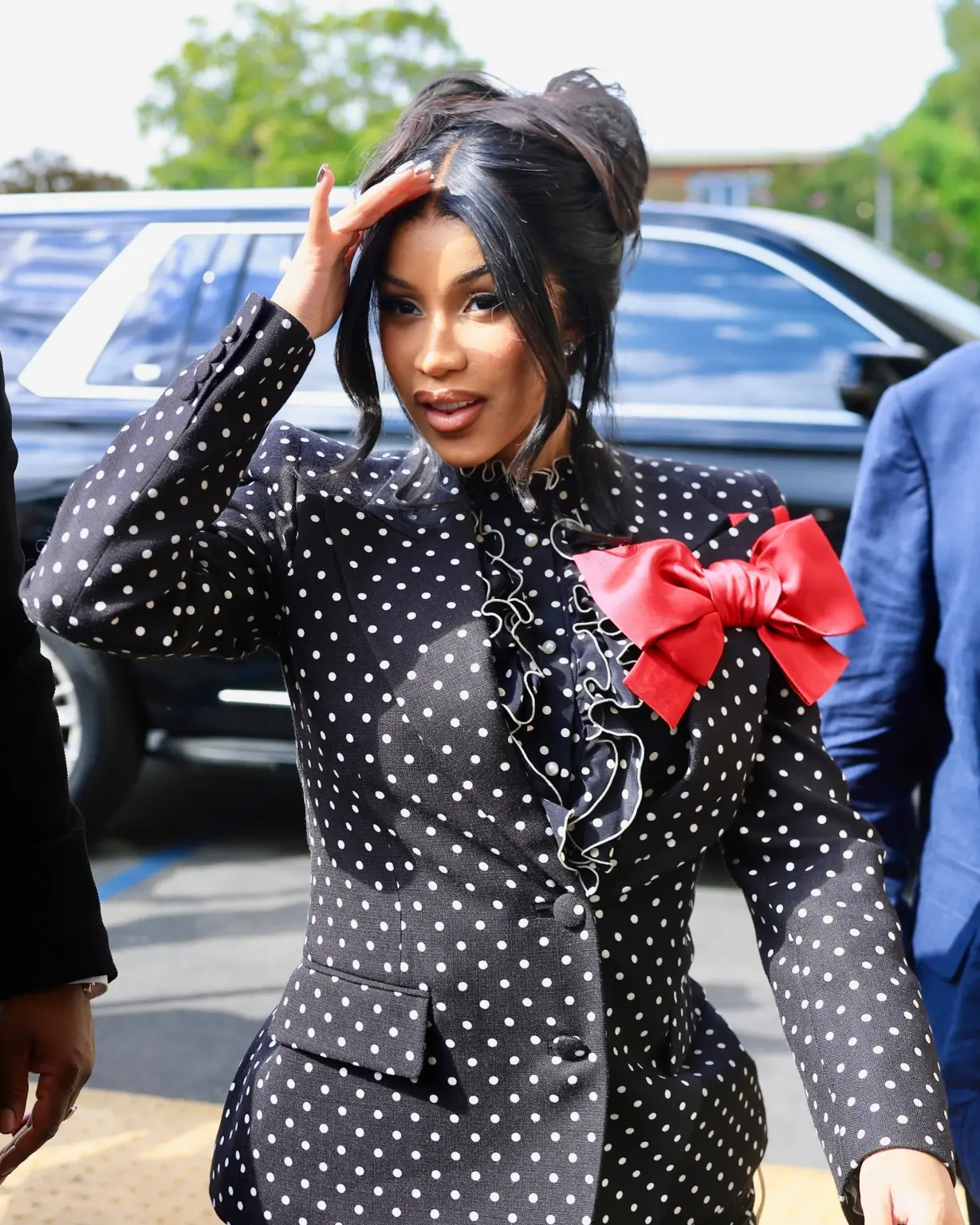
No one embodies the campy theatricality of ‘courtcore’ better than Cardi B. She famously showed up in a sweeping black feathered coat with a lengthy train and an oversized fuzzy hat when pleading guilty to two charges stemming from a strip club fight. Her most recent trip to court saw a week of showstopping fashion moments, from a $10,000 polka dot pantsuit courtesy of Luxury fashion house Valentino, to a matching tweed $7,080 set by Giambattista Valli. These choices weren’t about appearing contrite or professional. Instead they were a direct challenge to the notion of “appropriate” courtroom attire. She transformed the legal setting into her own personal catwalk. Reinforcing her identity as a larger-than-life figure who plays by her own rules.
But some celebs have been seen to use ‘courtcore’ to manipulate jury perception. The most notable Amber Heard in the infamous Heard v Depp trial. Particularly, her use of muted, conservative suits often shared visible similarities to Johnny Depp, as viewers of the case quickly realised. Her clothing choices were seen as a strategic, narrative-building choice, projecting an image of credibility and composure.
From Justice to Spectacle
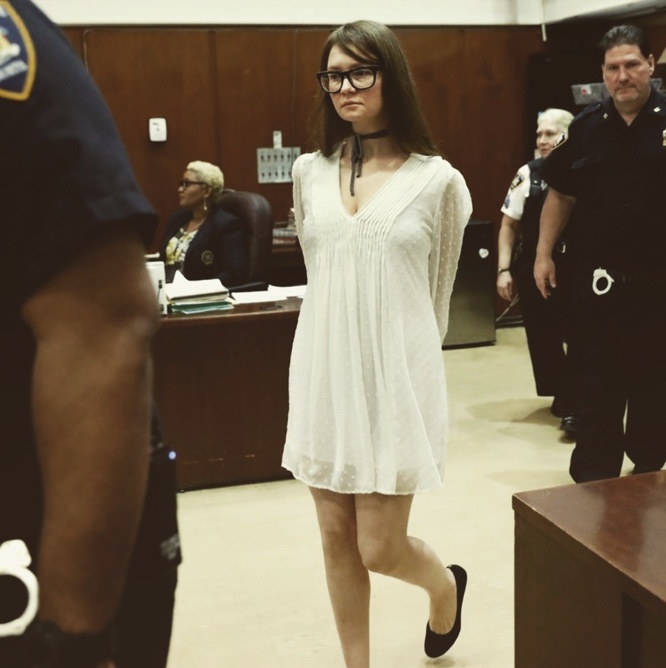
The amplification of these events by social media has further blurred the line between news and entertainment. The public’s fascination with celebrity lives turns these trials into a form of collective theatre. Platforms like Instagram and TikTok treat court appearances as must-see events, complete with dedicated fan accounts. The most notable example is the account that chronicled Anna Sorokin’s (otherwise known as Anna Delvey) courtroom looks. It transformed her fraud trial into a viral fashion show. It undermined the severity of her charges, even inspiring people to dress as her for Halloween.
This shift transforms legal proceedings into a form of spectacle. The gravity of the charges is overshadowed by the celebrity’s wardrobe. When a defendant refuses to appear in court because they “didn’t have anything to wear,” as Anna Sorokin did, it mocks the entire criminal system. It’s an action that would never be tolerated for a person without ‘celebrity’ status.
The courtroom will remain a reflection of a larger societal issue where appearance and wealth play an outsized role. As long as fashion remains a tool for manipulation, the battle for true objectivity in the justice system will continue. The real question is: can fashion ever be truly separate from judgment?
For more on the latest of Fashion and Pop Culture, make sure you’re following us on TikTok and Instagram.
