


In a recent interview with I-D Magazine, renowned South African fashion designer, Thebe Magugu who won the LVMH Prize for Young Fashion Designers in 2019 shared an encounter he had in Milan. He said someone approached him and insinuated that he only won the LVMH prize because of his race, stating that black people in fashion are having a “moment.”
“Fashion is having a real love affair with “blackness” right now. The appointments of Virgil Abloh as men’s artistic director at Louis Vuitton and Edward Enninful as editor-in-chief at British Vogue are legitimate milestones. But I cannot help but wonder, in an industry that prizes progressiveness, is this just another fad?” – Lindsay People, Chief Editor at The Cut and Co-founder Black In Fashion Council
BLACK PEOPLE IN FASHION
For several decades, black people in the fashion industry have been grossly sidelined and marginalised. Think of pioneers like Anne Lowe from the 20s and Zelda Wynn Valdes from the 40s — their contributions often overlooked while their white and European counterparts enjoy enduring recognition and established careers. It is now 2024, and despite some progress, racism persists within the industry. The aftermath of the Black Lives Matter movement in 2020 spurred increased awareness among fashion brands regarding the importance of ethnic diversity. However, four years later, many brands merely project an image of diversity rather than truly embodying it.
We have managed to see surface level changes and the exclusion of black people where it truly counts. It almost feels like as long as the level of diversity is digestible to a white audience, then it’s okay. But whenever there is some sort of attempt to take ownership or demand power, it becomes threatening.
Mecca James Williams summed it up perfectly: “It’s about lack of access. And even when you are granted access, you are disenfranchised.”
Too often, companies just include a token black person or two to look diverse. But these individuals face a lot of pressure and increased scrutiny to represent their entire community, experiencing isolation and limited opportunities for growth. Real change won’t happen until black people are included in all levels of the industry — i.e. high-level executives, jury panels, editors, investors, and PR/marketing execs, all of which play a critical role in the decision-making process. If these changes do not occur, a glass ceiling will remain over independent entrepreneurs/designers who are black.
“We showcase diversity on our runways, in our marketing, and among our consumers, but our decision-makers and workforce lack diversity,” noted a UK DEI Report. (The outsiders perspective x British Fashion Council)


UK DEI Report
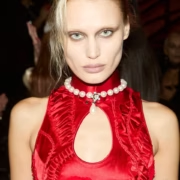
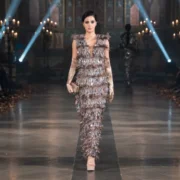
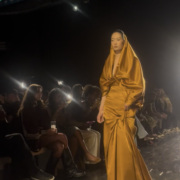
According to the recently released UK DEI report, though marketing campaigns and fashion shows now prominently feature more people of colour, true diversity remains elusive. While ethnically diverse models represented 50% of catwalks at London Fashion Week in 2022, up from 14% a decade prior, and 43% of models in advertising campaigns in 2022 were ethnically diverse, compared to only 9% in 2022, there’s still much room for improvement. Particularly in pivotal “power roles,” where influence is concentrated, the representation of women of colour stands at a mere 11%. As Andre Walker “The industry has paid zero attention to diversity in executive and other leadership roles in fashion. It was shamed into diversifying the catwalk hopefully it won’t require the same outcry to change the boardroom”
“There’s a difference between being invited and being included”

WHY INCLUSION?
In response to diversity, equity, and inclusion efforts, some argue for “merit-based’ opportunities. This assumes the diversity and inclusion efforts will reduce the quality of hiring standards, if brands only have to fulfil DEI requirements. While on a surface level, this sounds like a sound argument, it overlooks the deep-rooted impact of slavery on black communities today. Many black and African communities are still economically stifled from the effects of colonialism and slavery.
As a result, the larger percentage of people of colour do not have the means to purse fashion as a career. Living in major fashion capitals like London, Paris or New York comes at a high cost, making access to fashion education a privilege mainly for those with means. Limited access to top-tier schools means fewer black individuals can pursue careers in fashion, as the best jobs often favour graduates of these institutions. Unpaid internships further disadvantages those from lower-income backgrounds, reducing opportunities for black individuals to break into the industry.
Thus, it’s often more financially prudent for black youths to pursue fields like medicine or nursing, which offer immediate financial stability. This further reduces the pool of black people to choose from, which invariably means less black people within the industry. Hence if equity efforts are made with regards to these – access to education and business funds – more and more black people will be able to afford and compete with their white counterparts. The elimination of unpaid internships, so that people can chase their passion and still pay their bills will help a great deal to bridge this gap.

“Instead of going up someone else’s staircase, we should focus on building our own.” – Dapper Dan
BUILDING OUR OWN SPACES
Being an extremely resilient people group, people of color (POC) have learned to thrive independently. While it is important that we persist in demanding our voices be heard in an industry that often appropriates our aesthetic without valuing our contributions, it is equally important to create our own tables and extend access to more people like us. Initiatives such as the Black In Fashion Council as well as the British Fashion Council deserve recognition for their efforts in supporting black and African designers and brands. It is important that those of us who find themselves at this table are not afraid to really shake it up.
Dear black person, be aware of your limitations, but refuse to be limited by them. While racism may now be less overt, it’s essential for POC not to feel victimised. We need to be strategic with moves to raise the visibility of POC within the industry. There needs to be more of a push from us to stand together.
In essence, being black or African in the fashion industry signifies not just battling against the odds, but also persistently pushing for genuine inclusion and representation in every aspect of the industry.
Stay updated on all things fashion, lifestyle, and culture. Follow us on Instagram @stylecartel and TikTok @stylecartelmedia. Don’t miss out – sign up for our newsletter to get early access to the latest drops in your inbox.
Stay tuned to StyleCartel for more Fashion content.
