






Aging well means making choices that keep the body and mind operating at their best for as long as possible. Research on healthy aging has become remarkably consistent over the past two decades, and the core message is more encouraging than most people expect.
The factors that have the greatest influence on how a person ages are largely within their control, and the window to act on them never fully closes. Starting at any point produces meaningful returns.

1. Move Every Day
Physical activity is the single most well-documented factor in healthy aging across virtually every dimension of health.
Regular movement supports cardiovascular function, maintains muscle mass and bone density, reduces inflammation, improves balance and coordination, and has a measurable positive effect on cognitive function and mood. The evidence for exercise as a longevity tool is about as strong as evidence gets in health research.
The important clarification is that the movement does not need to be intense to be effective. Walking is genuinely one of the best things an older adult can do for long-term health. Thirty minutes of moderate walking most days of the week produces significant health benefits and is accessible to most people regardless of fitness level or physical limitations.
Strength Training Deserves a Spot in the Routine
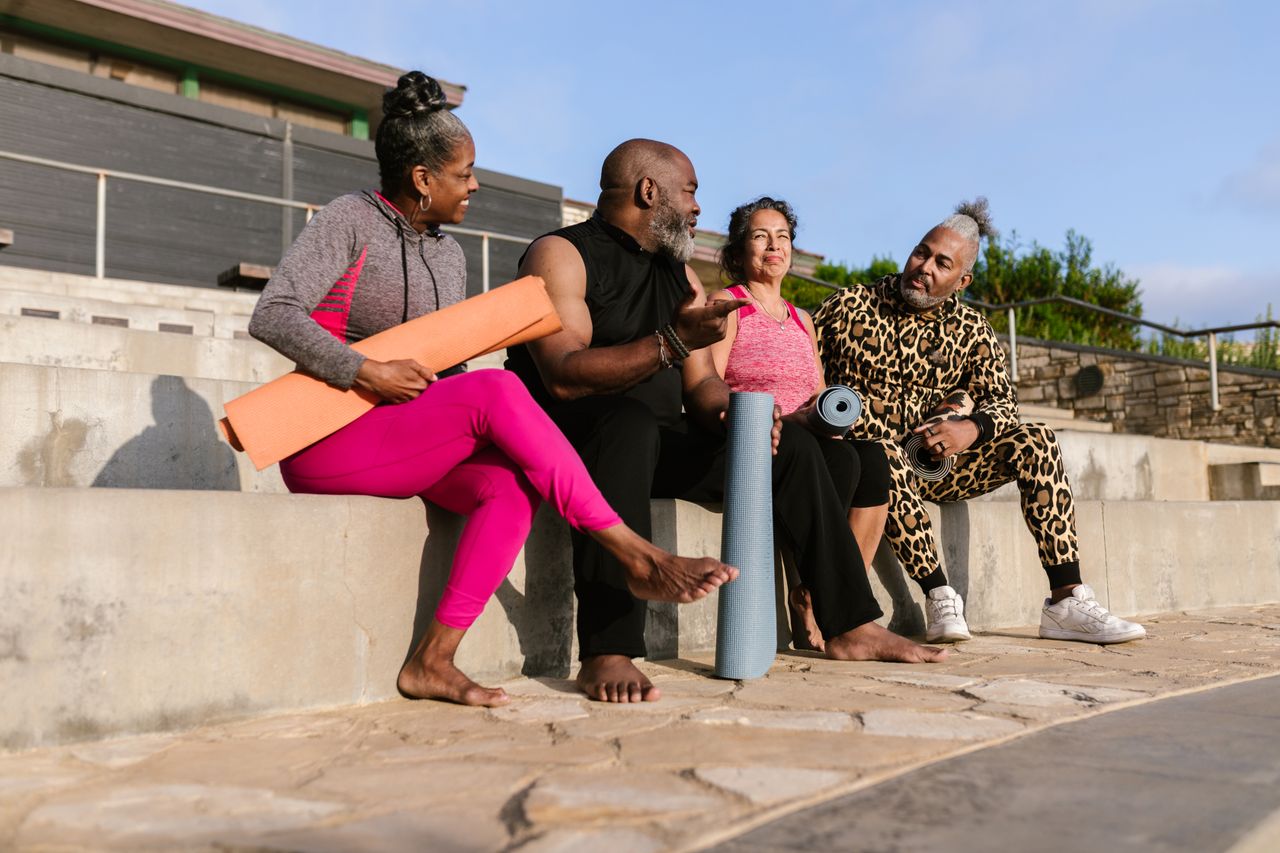
Cardiovascular exercise gets most of the attention, but resistance training is equally important for older adults. Muscle mass naturally declines with age, a process called sarcopenia, and that loss of muscle contributes directly to reduced mobility, increased fall risk, and a slower metabolism.
Incorporating resistance work two to three times per week, whether with weights, resistance bands, or bodyweight exercises, meaningfully slows that decline and preserves functional independence.
2. Treat Sleep as a Non-Negotiable
PrioritySleep is where the body does a significant portion of its repair and maintenance work. During deep sleep, the brain clears metabolic waste, the body releases growth hormone that supports tissue repair, and the immune system consolidates its activity. Consistently shortchanging sleep does not just produce fatigue. It accelerates many of the biological processes associated with aging.
Older adults sometimes assume that needing less sleep is a normal part of aging. The research tells a more nuanced story. Sleep architecture changes with age, meaning the proportion of time spent in different sleep stages shifts, but the need for quality sleep does not meaningfully decrease. What changes is that achieving it often requires more intentionality.
Small Habits That Protect Sleep QualityKeeping a consistent sleep and wake schedule, reducing screen exposure in the hour before bed, keeping the bedroom cool and dark, and limiting caffeine after early afternoon are all evidence-based practices that improve sleep quality. For older adults dealing with more persistent sleep challenges, a conversation with a healthcare provider is worth having sooner rather than later.
3. Pay Attention to Nutrition and Hormonal Health
Nutritional needs shift with age in ways that are easy to underestimate. Protein requirements actually increase with age relative to body weight because the body becomes less efficient at using dietary protein to build and maintain muscle. Calcium and vitamin D remain critical for bone health. Hydration becomes more important and simultaneously harder to self-regulate because the thirst mechanism becomes less reliable with age.Hormonal changes are another dimension of aging that often goes underdiscussed until symptoms become impossible to ignore. For women, the hormonal shifts of perimenopause and menopause affect everything from sleep quality and energy levels to bone density and cardiovascular health. Addressing those changes proactively rather than reactively makes a substantial difference in quality of life.
Brands focused specifically on women’s health during midlife and beyond, such as women’s vitamins and wellness products designed to support healthy aging, have expanded the options for managing this transition thoughtfully and on a person’s own terms.

4. Invest Consistently in Social and Cognitive Engagement
Loneliness and social isolation are among the most underrated health risks for older adults. The research connecting social isolation to accelerated cognitive decline, increased inflammation, and higher mortality risk is extensive and sobering. Maintaining meaningful social connections is not a lifestyle preference. It is a healthy behavior with measurable consequences.
Cognitive engagement matters alongside social connection. Challenging the brain through learning new skills, reading, playing strategy-based games, or engaging with complex problems keeps neural pathways active in ways that appear to reduce the risk and slow the progression of cognitive decline.
The Compounding Nature of Good Habits
None of these four areas operates in isolation. Movement improves sleep. Better sleep supports hormonal balance and cognitive function. Strong social connections motivate physical activity and provide emotional resilience. Good nutrition fuels all of it. Healthy aging is less a checklist than an ecosystem, and tending to each part makes the others work better.
Do you love the look of the new redesigned space? Leave a comment below and follow Style Cartel on Instagram, Facebook, and TikTok for more Life advice and luxury life news!
