




São Paulo has never lacked creativity. What it has often lacked is recognition.
For years, some of Brazil’s most interesting fashion conversations have happened quietly — inside independent studios, community spaces and brands building their own cultural ecosystems, often far from the traditional centres of luxury fashion.
This is one of those stories.
Long before its first runway presentation, PACE had already built something many labels spend decades trying to achieve: relevance. Not through spectacle. Not through trends. Through consistency, community and a clear sense of identity.
After nearly a decade of deliberate growth, TYP0J1G felt less like a debut and more like the natural continuation of a story that had already been unfolding for years.
More Than Clothing
Founded by Felipe and Juliana Matayoshi, the project began with a simple ambition: creating products they genuinely wanted to see in the market. Pieces that balanced design, functionality and cultural relevance.
What emerged over time became something much larger than clothing.
“At a certain point, we realised we weren’t selling only clothes.”
That understanding came through the people who connected with the work. Customers from similar backgrounds — descendants of Japanese, Okinawan, Korean and Chinese families — saw themselves reflected in it. The garments became a vehicle for confidence, representation and belonging.
Today, that relationship remains central to everything they do.
The flagship in Jardins functions as much more than a retail space. It is a meeting point, a cultural platform and an ongoing conversation between the founders and their community. In a fashion landscape increasingly dominated by digital interactions, there is something refreshing about a label that still values proximity.
The strongest brands are rarely built from a distance. They are shaped through dialogue, trust and shared experiences. That philosophy can be felt throughout the space, where the relationship between creator and customer continues long after a purchase is made.
Throughout our conversation, one theme kept returning: the relationship between art and commerce.
Fashion often presents these forces as opposites. One practical. One emotional. One focused on business, the other on expression.
Here, that distinction feels unnecessary.
The collection demonstrates that products can be commercially relevant while still carrying artistic intention. The runway became a platform for storytelling, cultural expression and identity, while remaining grounded in the realities of building a modern fashion business.
That balance may ultimately be one of the project’s greatest strengths.
Between Streetwear and High Fashion
Often associated with luxury streetwear, Felipe sees the work differently.
“We draw inspiration from streetwear, but I don’t consider PACE a streetwear brand. We exist in the space between streetwear and high-end fashion.”
It is perhaps within that space where some of the most interesting conversations in contemporary menswear are taking place.
Over the last decade, streetwear has evolved from subculture into industry. Along the way it gained visibility, commercial power and cultural influence. Yet some of its original authenticity has occasionally been diluted by repetition, imitation and increasingly predictable references.
Rather than chasing trends, the focus has remained on building a language of its own — one rooted in contemporary design, material exploration and cultural nuance.
That philosophy is particularly evident in TYP0J1G.
Drawing from memory, ancestry and the dialogue between São Paulo and Okinawa, the collection explores identity without becoming nostalgic and heritage without becoming literal. Raised in Vila Carrão, home to one of the largest Okinawan communities outside Japan, Felipe naturally draws from both worlds.
The result is a collection that feels deeply personal while remaining globally relevant.
What emerges is a compelling balance between futurism and minimalism, industrial codes and craftsmanship, commercial reality and artistic expression.
A Brazilian Brand Without Explanation
When asked what Brazilian creativity contributes to the global fashion conversation, Felipe’s answer was immediate.
“Everything.”
And perhaps he is right.
Brazil has never suffered from a lack of creativity. The country possesses extraordinary craftsmanship, rich cultural intersections and an abundance of creative perspectives. Yet while Brazilian models have occupied international runways for decades, Brazilian brands are only beginning to receive broader global recognition.
Creativity has never been the issue.
Visibility, however, remains the challenge.
Which raises another question: what makes a Brazilian fashion brand feel Brazilian?
For Felipe, the answer is surprisingly simple.
“The simple fact that I was born in Brazil and live in São Paulo already makes me deeply Brazilian.”
It is a statement that feels increasingly relevant today.
Identity does not always need to be communicated through obvious references or visual clichés. Sometimes it exists in perspective, lived experience and authenticity.
The opening moments of the show captured that idea perfectly. The presentation never used São Paulo as a marketing device or a romanticised backdrop. Instead, it embraced the city as reality.
A declaration of place.
An acknowledgement of origin.
Ultimately, a statement of truth.
This was not a collection attempting to imitate another fashion capital. It was created in São Paulo, informed by Okinawan heritage, shaped by contemporary culture and projected confidently towards a global audience.
And perhaps that is what makes PACE one of the most interesting voices emerging from Brazil today.
Not because it seeks to define Brazilian fashion.
But because it demonstrates that Brazilian fashion no longer needs permission to participate in the global conversation.
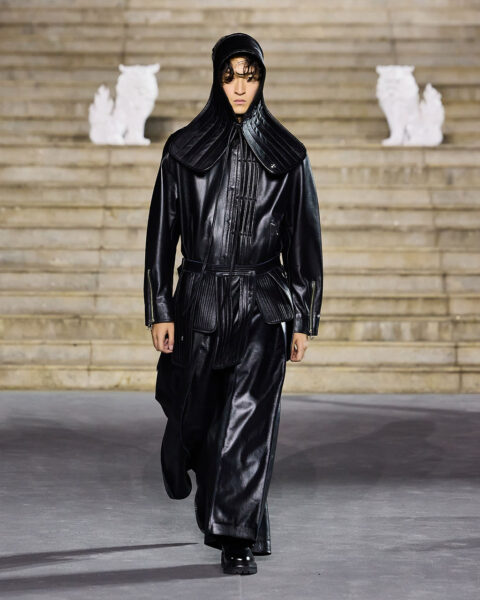
A/W 26
foto: Zé Takahashi

A/W 26
foto: Zé Takahashi
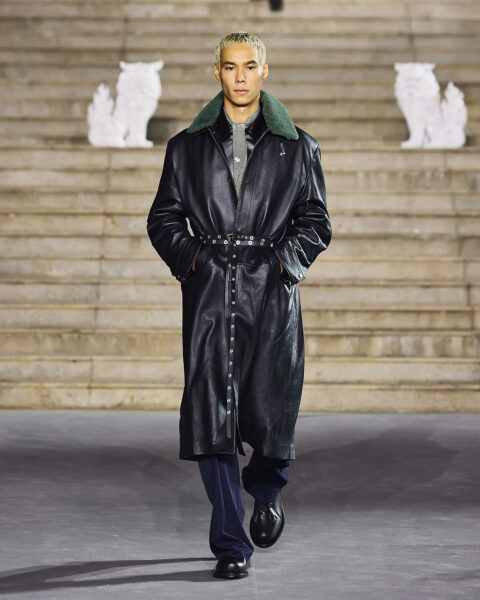
A/W 26
foto: Zé Takahashi

A/W 26
foto: Zé Takahashi
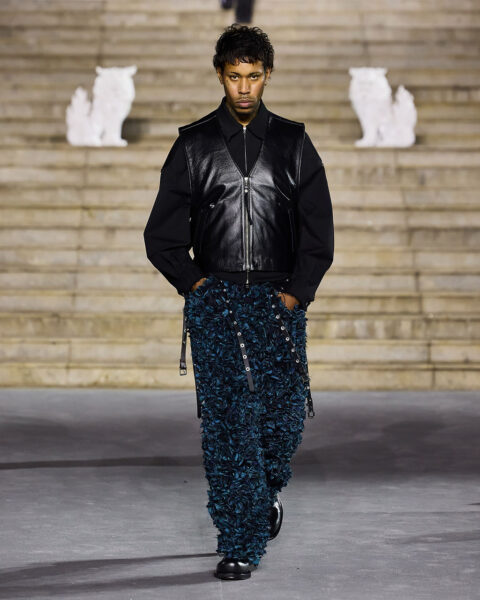
A/W 26
foto: Zé Takahashi
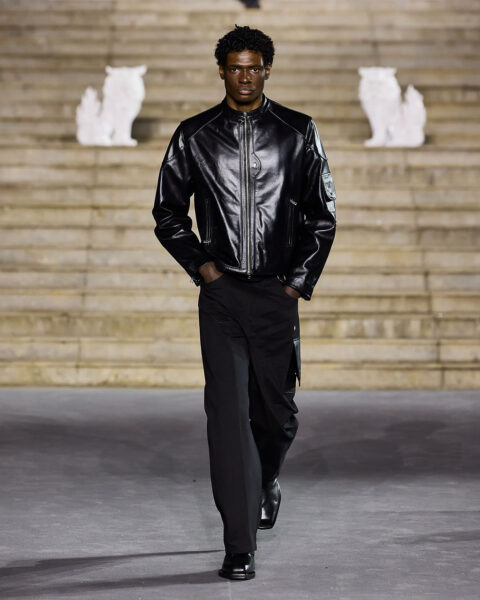
A/W 26
foto: Zé Takahashi
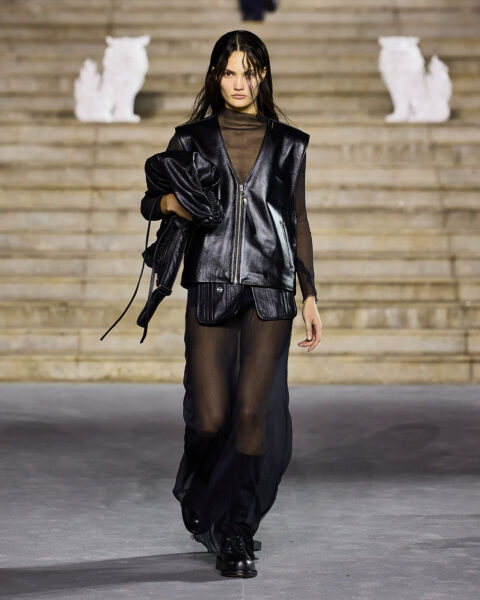
A/W 26
foto: Zé Takahashi
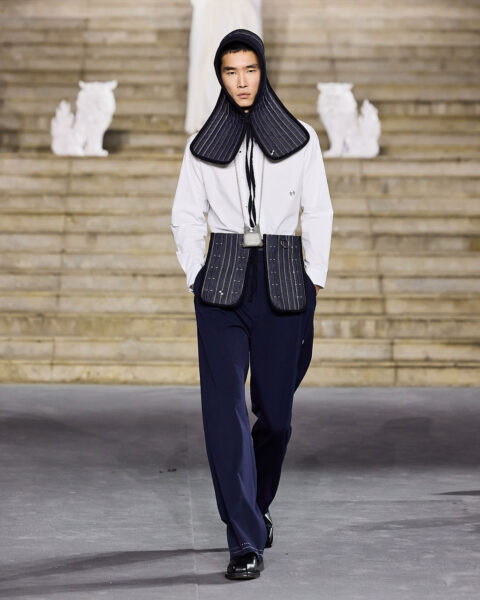
A/W 26
foto: Zé Takahashi

A/W 26
foto: Zé Takahashi
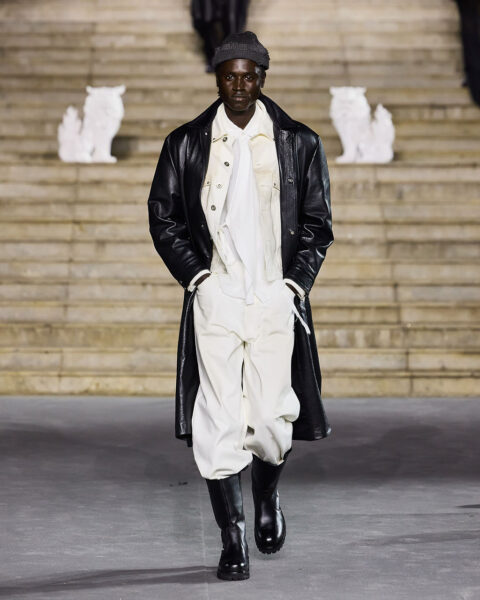
A/W 26
foto: Zé Takahashi
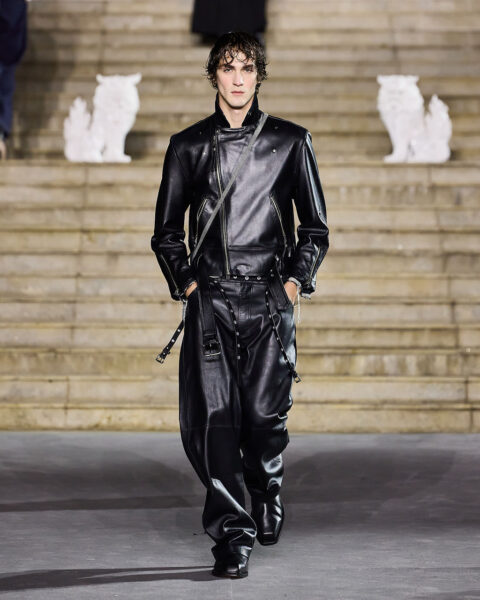
A/W 26
foto: Zé Takahashi
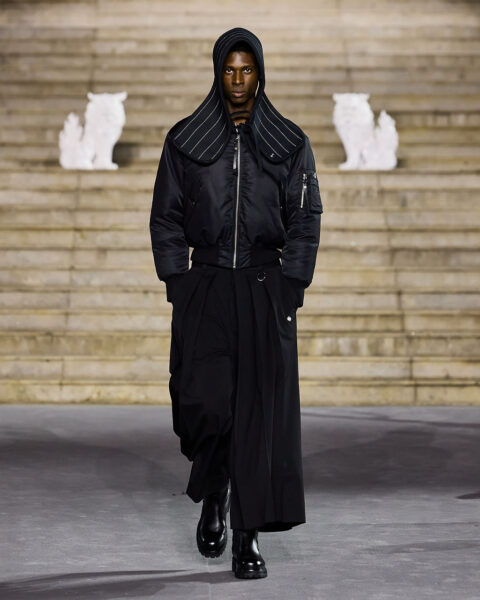
A/W 26
foto: Zé Takahashi
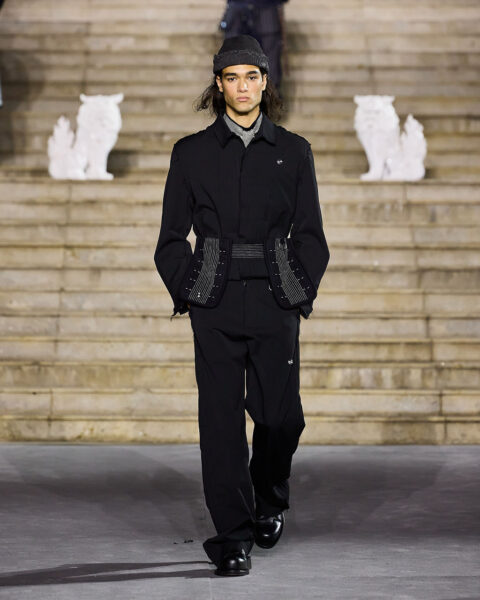
A/W 26
foto: Zé Takahashi

A/W 26
foto: Zé Takahashi
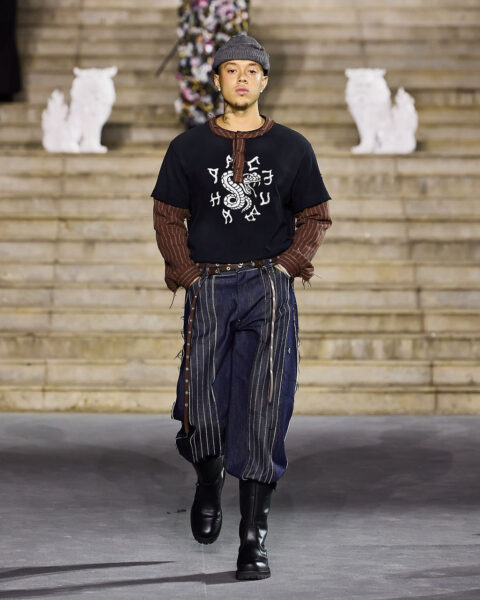
A/W 26
foto: Zé Takahashi
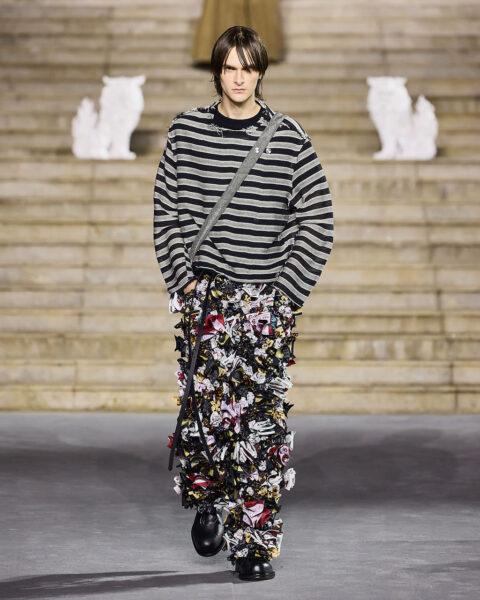
A/W 26
foto: Zé Takahashi

A/W 26
foto: Zé Takahashi
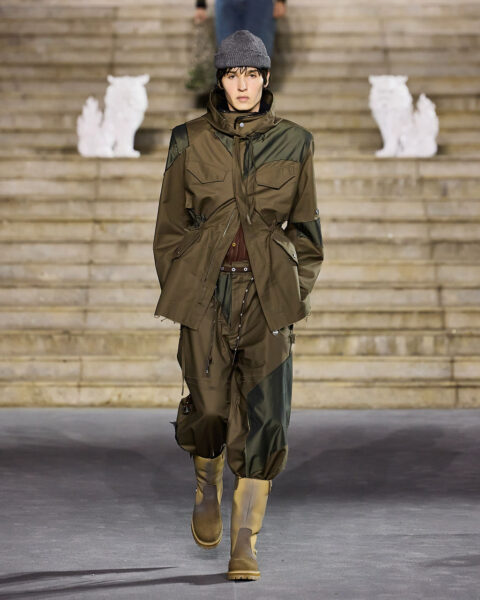
A/W 26
foto: Zé Takahashi
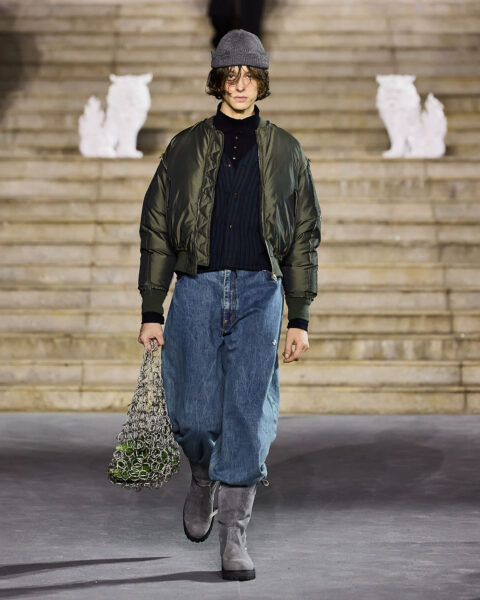
A/W 26
foto: Zé Takahashi

A/W 26
foto: Zé Takahashi

A/W 26
foto: Zé Takahashi
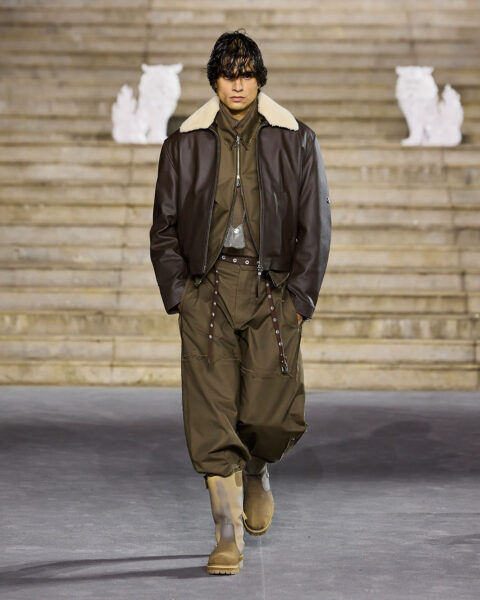
A/W 26
foto: Zé Takahashi

A/W 26
foto: Zé Takahashi
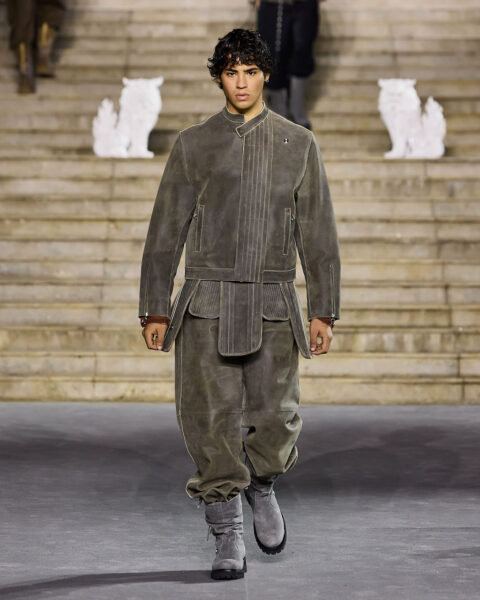
A/W 26
foto: Zé Takahashi

A/W 26
foto: Zé Takahashi
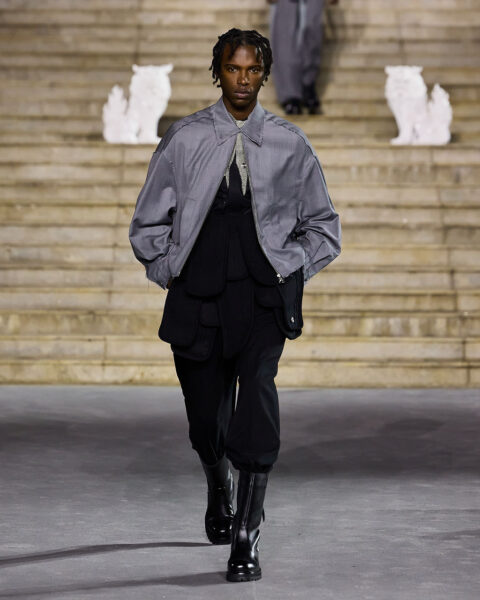
A/W 26
foto: Zé Takahashi
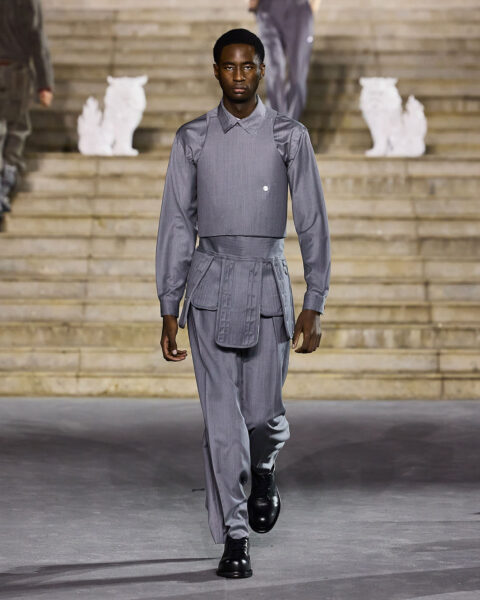
A/W 26
foto: Zé Takahashi

A/W 26
foto: Zé Takahashi
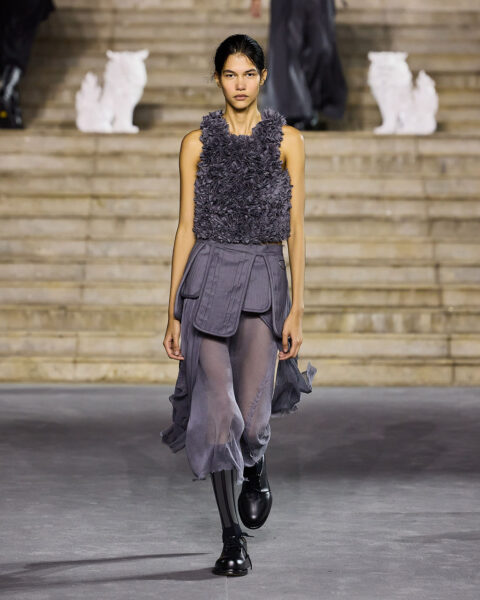
A/W 26
foto: Zé Takahashi
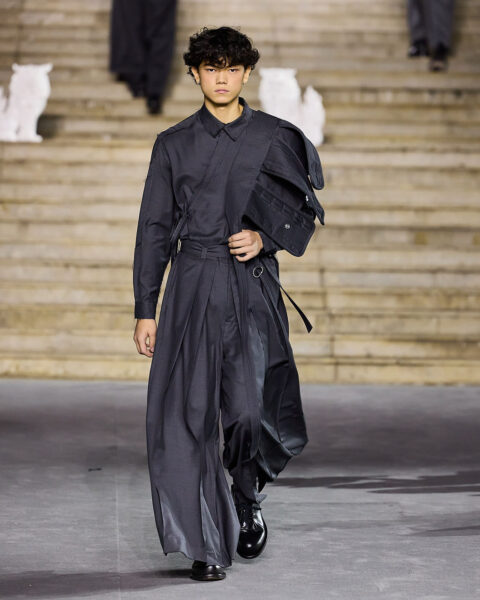
A/W 26
foto: Zé Takahashi

A/W 26
foto: Zé Takahashi

A/W 26
foto: Zé Takahashi

A/W 26
foto: Zé Takahashi
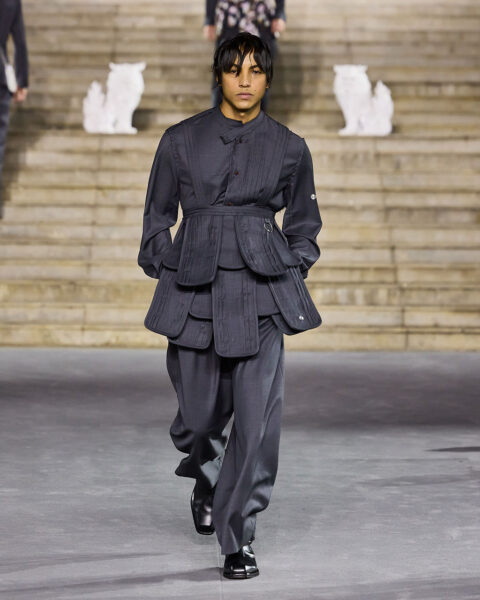
A/W 26
foto: Zé Takahashi

A/W 26
foto: Zé Takahashi
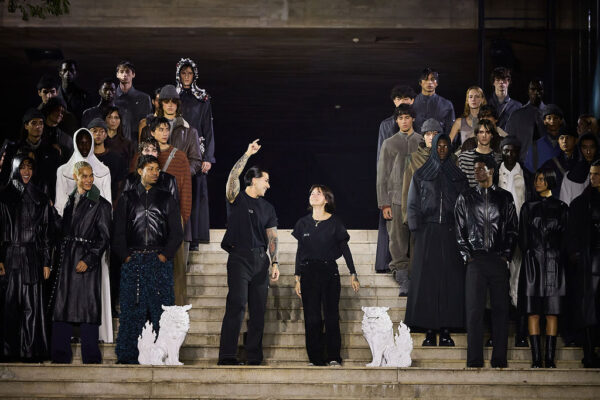
A/W 26
foto: Zé Takahashi
Curated by Lee Oliveira & Patrick Doering
Image Credit: Zé Takashi
