
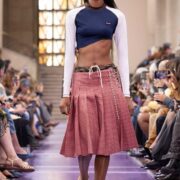
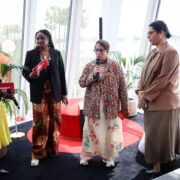
They haven’t even dropped the film yet.. and somehow The Devil Wears Prada 2 is already everywhere.
And not in an obvious, overdone way. It’s the kind of marketing where you keep seeing things and thinking “wait… is this part of it?” – and that’s exactly why it’s working.
This isn’t marketing – it’s a moment
The original The Devil Wears Prada is already iconic. Everyone knows the references, the quotes, the looks.
So instead of starting from scratch, this rollout is doing something smarter – it’s tapping into that existing obsession and nostalgia, building on it in a way that feels current.
And honestly? They’re doing a lot.
They’re turning real life into the campaign
This is where it gets really good.
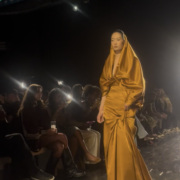
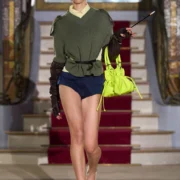
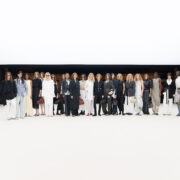
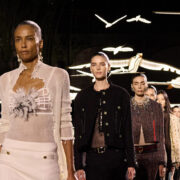
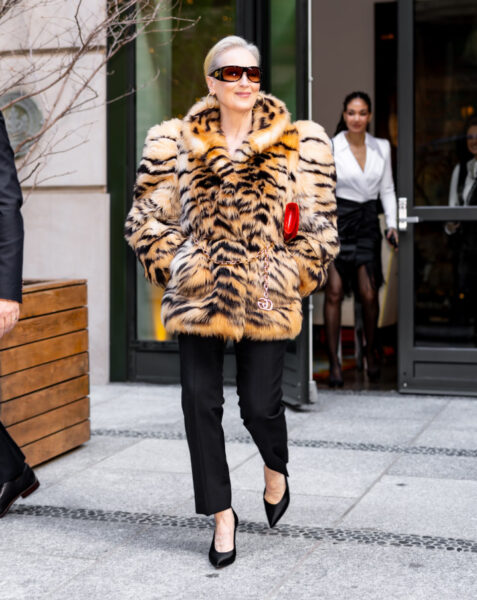
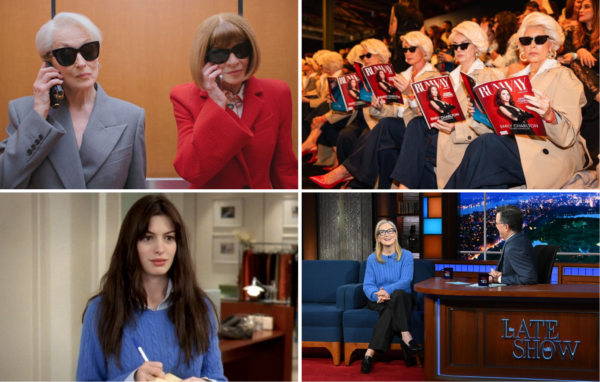
At Rio Fashion Week, the front row wasn’t just celebrities – it was filled with Miranda Priestly lookalikes. Not one. Not two. Ten. It turned a traditional fashion setting into part of the campaign itself.
Then you’ve got Meryl Streep and Anna Wintour appearing together in a Vogue short film – as well as landing a cover moment. Which let’s be honest, already feels like the crossover everyone associates with the film anyway.
Even Meryl showing up to The Late Show in a cerulean sweater? That’s not random. That’s marketing that understands its audience.
Brands are fully involved
And it’s not just the film doing the work – brands are all in too.
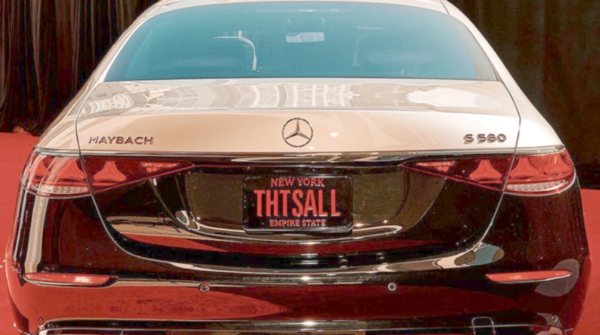
Mercedes-Maybach literally created a custom S-Class featuring a “THATSALL” number plate, with red heels placed at the centre. It’s dramatic, unnecessary and completely on brand.
Then you’ve got collabs everywhere:
- Starbucks dropping a character-inspired collection
- Popcorn and diet coke campaigns tying into the release
- TRESemme and L’Oreal tapping into the beauty side of the campaign
- Samsung joining with digital-led promotion
Why this kind of marketing matters now
What makes this rollout so effective is that it understands how audiences engage with content today.
It’s no longer about one big campaign or a single trailer drop. Instead, it’s about multiple moments – across fashion, media and brand spaces – that keep the conversation going over time.
In a digital-first landscape, where attention spans are short and trends move quickly, this kind of approach feels far more natural. People aren’t just watching the campaign – they’re interacting with it, sharing it, and becoming part of it.
And that’s what turns a film release into something bigger: not just something to watch, but something to experience.
Final thoughts
At this point, the film itself almost feels secondary.
Because if the marketing is already this strong, the release isn’t just going to be a premiere – it’s going to be a moment.
And honestly… they knew exactly what they were doing.