
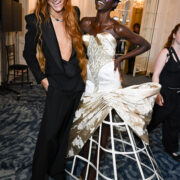
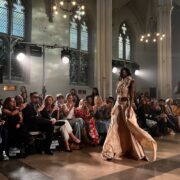


Fashion has entered its Miu Miu era — and influencers are leading the charge. The clean-girl aesthetic has taken over feeds, runways, and wardrobes, and it all ties back to what I call the ‘Miu Miuification of Fashion’.
The Origins
Miu Miu has always been a beloved luxury brand, but the game changed in 2022 when its micro mini skirt went viral. The look exploded online, and according to Lyst, Miu Miu’s sales skyrocketed by 89 per cent in the first quarter of 2024. Since then, brands and consumers have leaned into the brand’s influence, contributing to the ‘Miu Miuification’, trading in maximalist excess for pared-back, minimalist cool. Quiet luxury is everywhere, and minimalism has been rebranded for a new generation.

The Rebrand
Molly-Mae Hague helped push the shift. She traded her Instagram “baddie” style for tailored, relaxed looks. After leaving her role as PrettyLittleThing’s creative director, she launched her own brand, Maebe, built entirely around elevated basics and clean lines.
Kylie Jenner joined the wave, too. Known for body con dresses and heavy glam, she reinvented her look last April, right as Sofia Richie Grainge’s wedding redefined quiet luxury online. Kylie’s makeup brand also flipped the script: skin tints, dewy blushes, and natural finishes replaced full-glam contouring. Just two years ago, her style screamed loud and glossy; now, it whispers understated cool.
Hailey Bieber has cemented her role as the clean-girl IT girl. With glossy cheeks, slick buns, and sleek tailoring, she has become the ultimate blueprint. TikTok edits and Pinterest boards break down her every look, and countless fans copy her effortlessly polished style.
The Fast-Fashion Effect
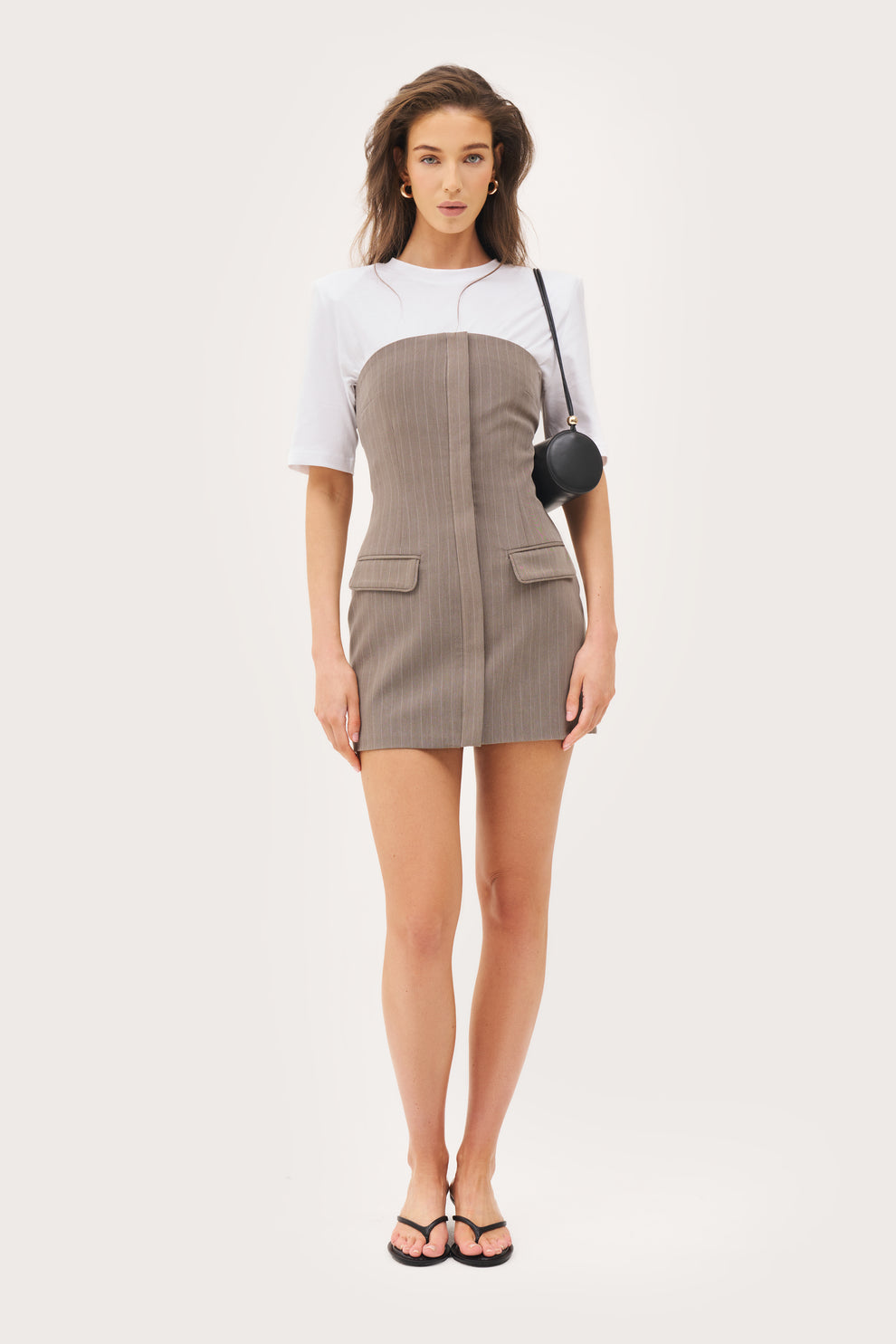
Fast fashion jumped on board almost instantly. PrettyLittleThing stripped down its aesthetic, pushing nudes, greys, and beige staples. Urban Outfitters rolled out an “Office Siren” collection, while ASOS, Zara, River Island, Boohoo, and Shein all saturated their sites with corporate-chic tailoring. Type “office siren” into a search bar, and you’ll find an endless scroll of pencil skirts, blazers, and TikTok-ready office looks.
The sleek corporate-baddie vibe dominates. Yes, we saw versions of this back in 2015, thanks to Kim Kardashian and Yeezy, but this round feels different. Instead of curve-hugging body-con, the cuts are looser, sharper, and less performative. With Maebe now competing directly with PrettyLittleThing, the influencer-driven clean-girl aesthetic shows no signs of slowing down.
The Bigger Picture
Quiet luxury isn’t new. Minimalism traces back to the 1960s with artists like Frank Stella and Carl Andre, before resurfacing in the 90s. TV has played its part too: Succession gave the trend a cultural push. In Season 4, Tom Wambsgans roasted Greg’s date for carrying a “ludicrously capacious bag” — a Burberry tote that cost £2,500. The message? Even expensive brands can look gauche if they’re too obvious.
The 1990s proved the point decades earlier. After the loud, neon-heavy 80s, fashion pared down. Critics dubbed it “quiet luxury” because designers used expensive fabrics that didn’t look flashy. Interiors echoed the trend with silvers, greys, and beiges arranged in clean, simple layouts. Fashion, meanwhile, reintroduced the feminine silhouette, moving away from boxy masculine cuts to highlight curves again.
Even maximalist brands pivoted. Gucci, under Sabato De Sarno, swapped its loud, logo-driven aesthetic for stripped-back minimalism. The once-extravagant house became surprisingly subtle, and other fashion houses quickly followed suit.

Today
That legacy continues. Celebrities keep fueling the minimalist revival. Kylie Jenner’s partnership with Miu Miu shocked fans who associated her with full-glam Instagram culture. Now, she leans into soft glam and understated fits — a dramatic contrast to her over-the-top looks from just a few years ago.
The verdict is clear: maximalism has left the chat and ‘Miu Miufication’ is in.