




After nearly a decade away, Rio Fashion Week returns with a clear sense of identity. Traditional embroidery, exposed skin, unexpected prints and silhouettes define the runway. But more than trends, fashion here captures the contemporary Brazilian lifestyle, shaped by urban culture and everyday life. It emerges from the streets, communities, and beaches, reflecting Brazil’s creative identity through the people behind it.
Rio Fashion Week Highlights
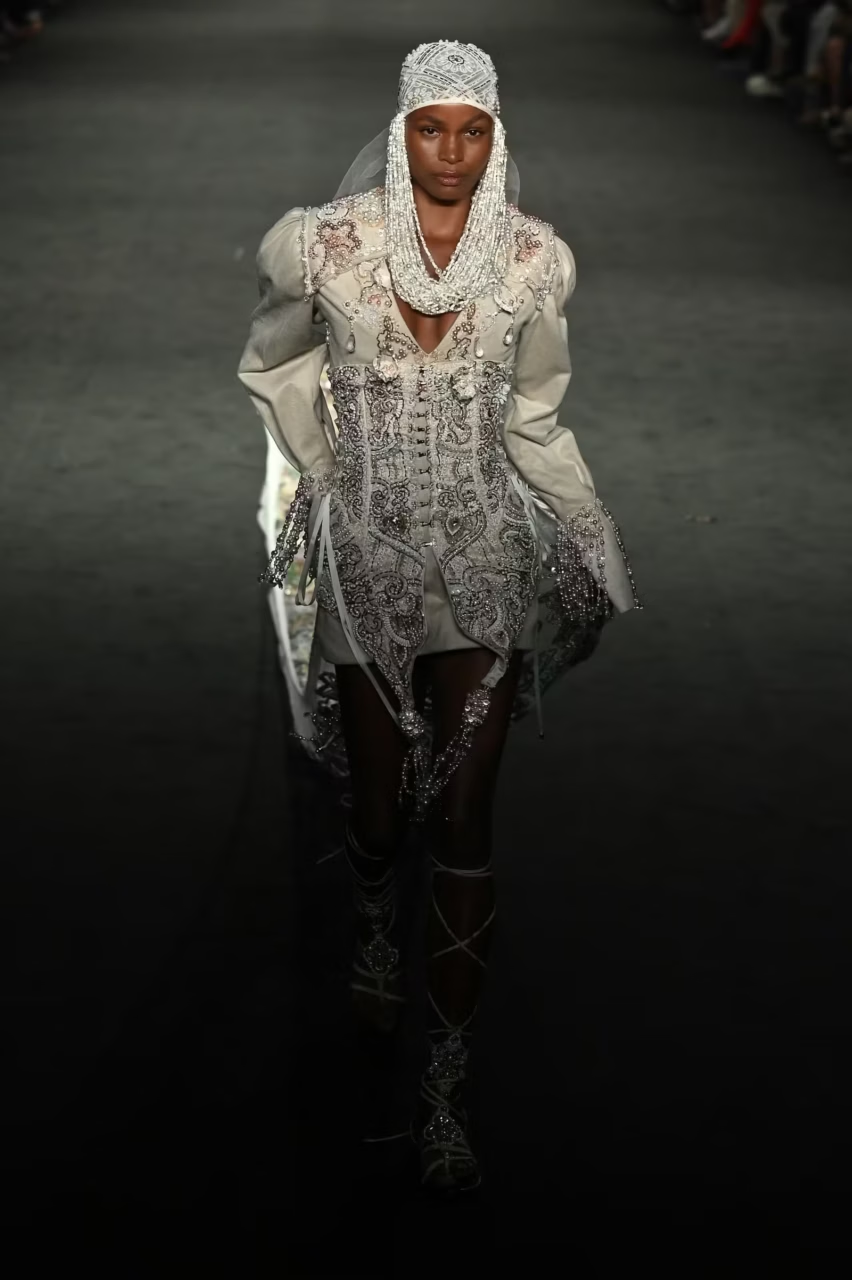
Manual craftsmanship is evident throughout the week, but at Hisha, it feels intentional. Heavy embroidery on sheer fabrics, paired with bold cuts, creates a tension where the body is both revealed and shielded. As the models move, beads and stones catch the light, elevating the craftsmanship beyond clothing into a form of artistic expression rooted in Brazilian culture. The work carries weight, produced by women artisans from Minas Gerais and grounded in traditional techniques. It is this connection that gives the brand a sense of distinctive Brazilian identity.


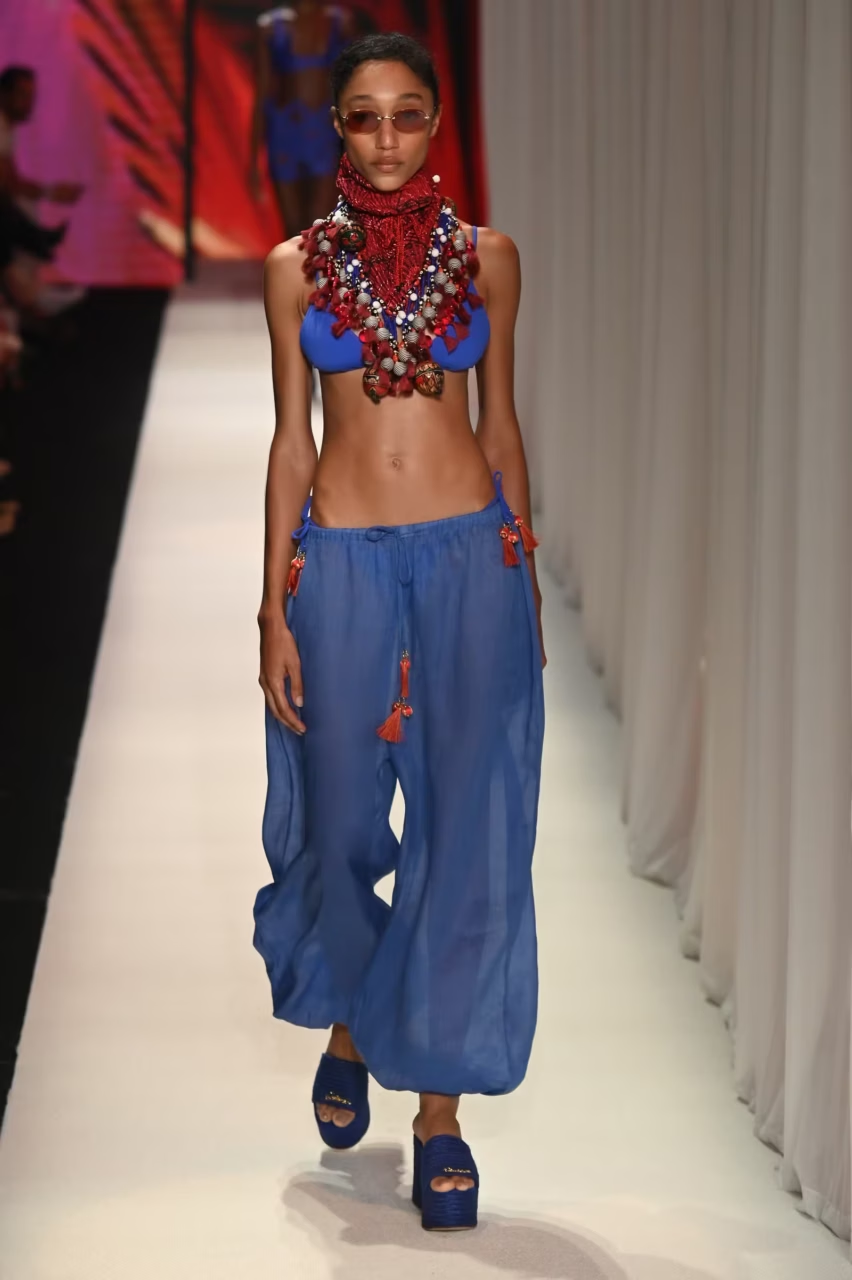
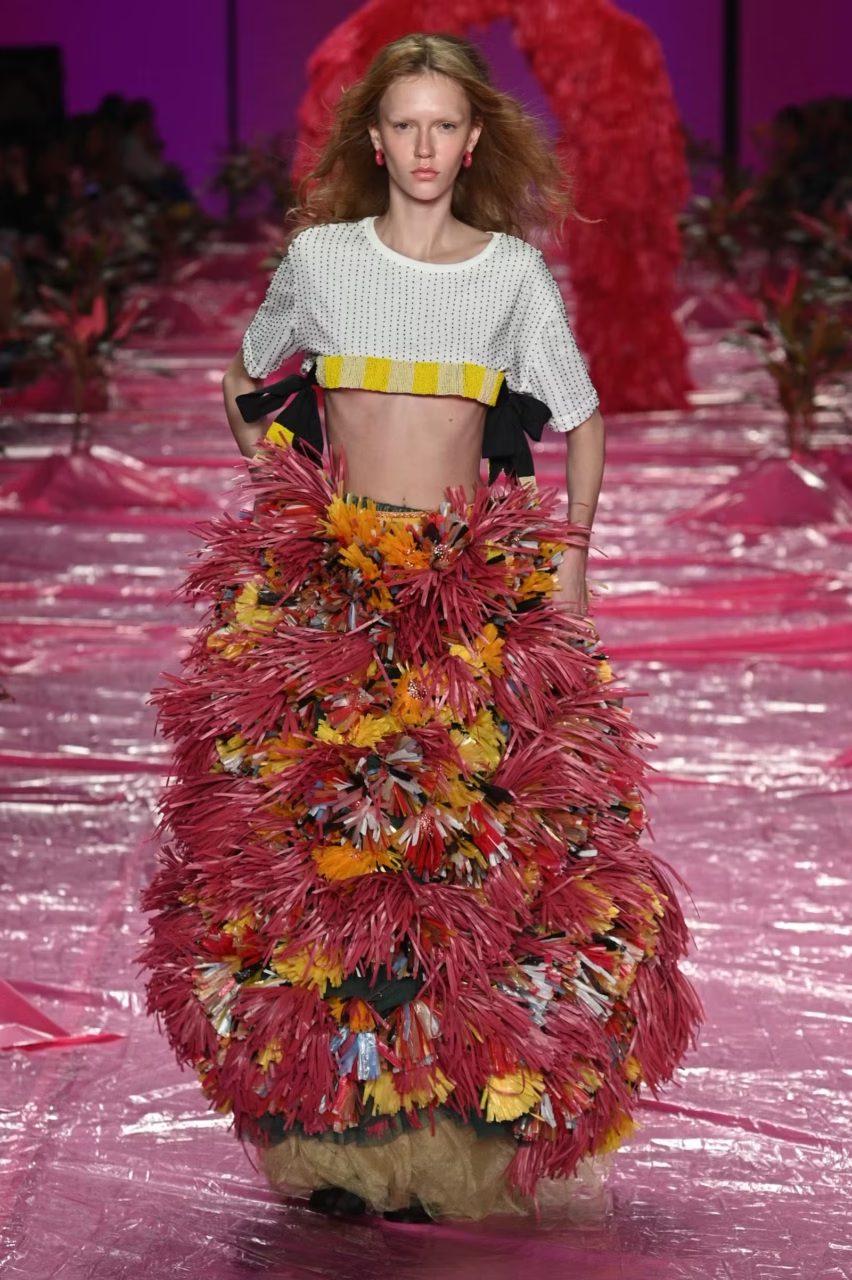
Colour and unexpected prints dominate the Rio runway, standing out in contrast to a wider global shift towards minimalism. At Salinas, the collection draws on the symbolic strength of Brazilian birds, where fringes, embroidery, shells and beadwork create richly layered textures across the looks.
Bird-shaped earrings, reimagined tops, and voluminous silhouettes reinforce a playfulness that feels inseparable from Brazilian identity.


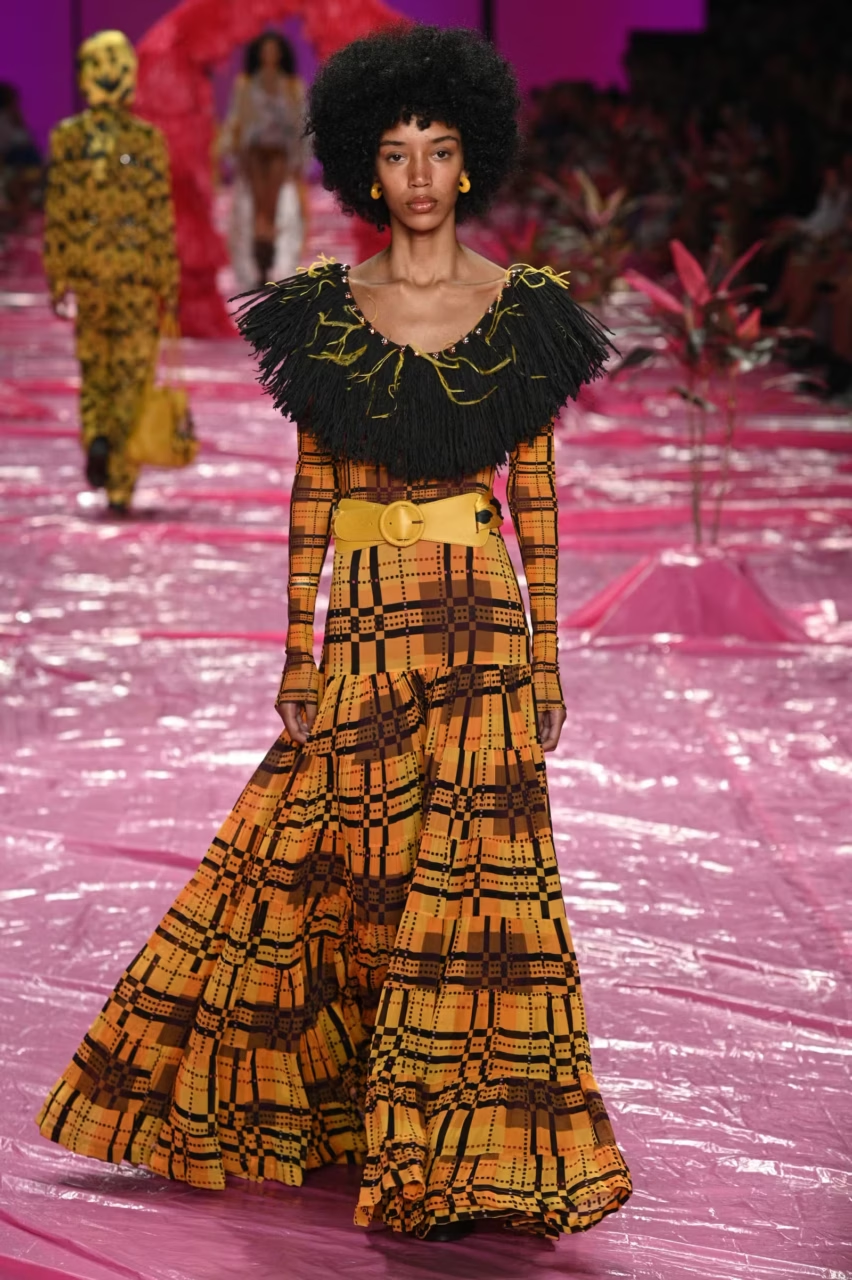
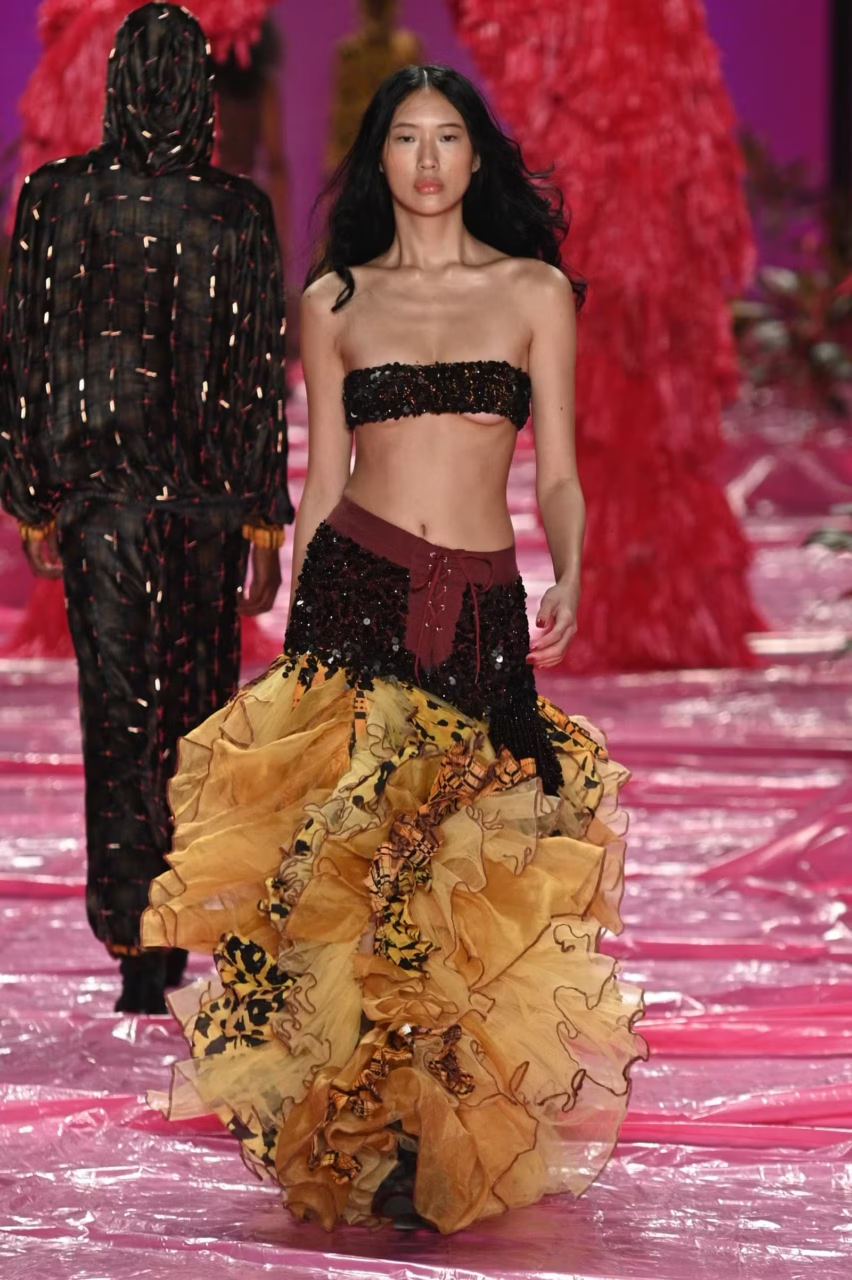
Isabela Capeto’s runway show fearlessly explores this playful energy. Fluid silhouettes move with the body, while layered printed patterns —from plaid to florals— come together with bright colours inspired by nature.
The collaboration with her younger daughter, Chica, introduces an intergenerational perspective, bringing a young and contemporary energy to the collection. It’s a mix and match, an unexpected combination styled perfectly.
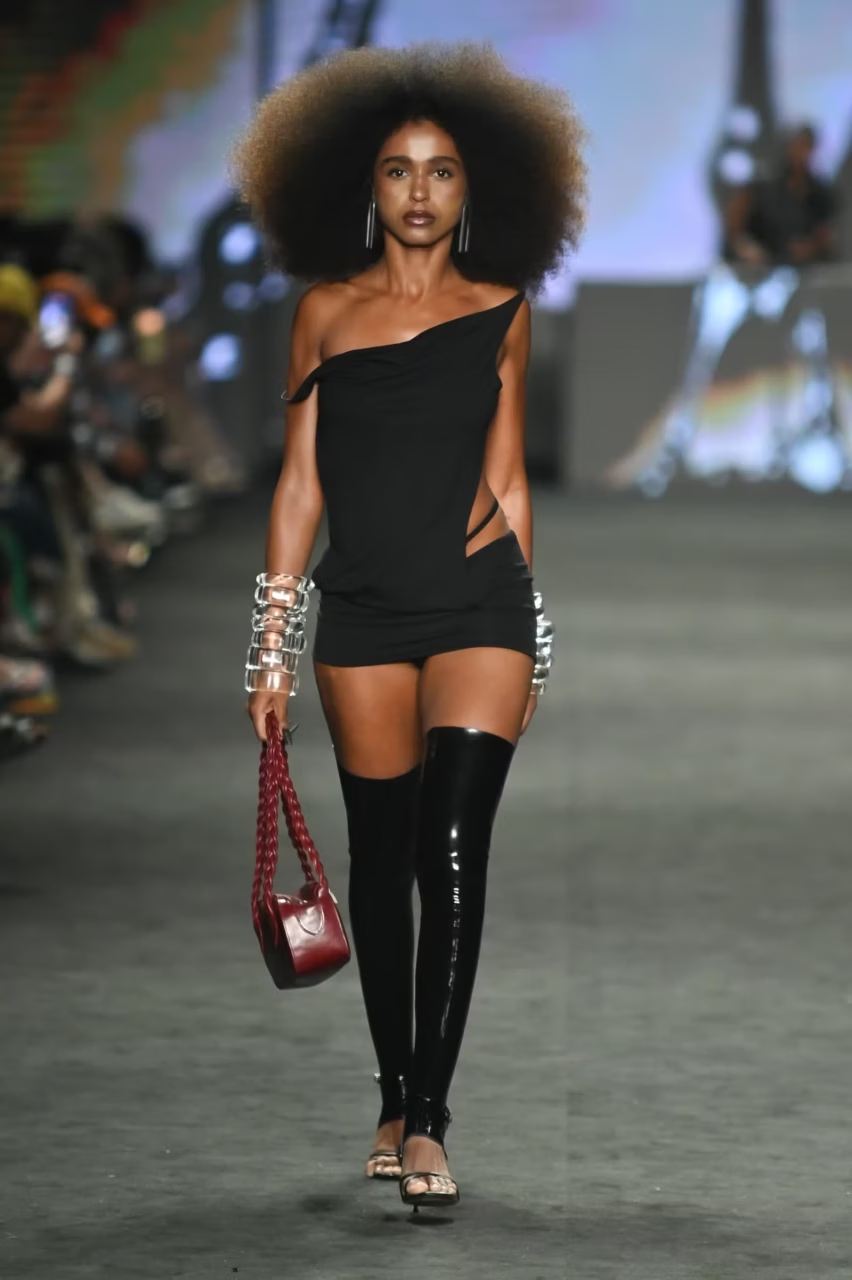
Houses like Dendezeiro place urban culture at the centre of the runway. The show transforms the space into a ballroom, fusing classic streetwear references with deconstructed tailoring. Elements drawn from Rio’s streets appear throughout the collection. A key collaborator is Kenner, a Brazilian footwear brand whose sporty slides are a staple on Carioca feet.
The show closes with supermodel Alton Mason, playing a soundtrack made and performed by himself.


It is impossible to talk about RFW without mentioning the soundtracks.
The week was defined by a mix of samba, trap and funk, capturing a part of Brazil’s layered musical identity. At Misci, the sound is designed specifically for the historic Marquês de Sapucaí Sambadrome. With live drums by Beija-Flor de Nilópolis, one of Rio’s most traditional samba schools, the show brings a piece of Carnival onto the runway.
Adidas brings artists Tasha and Tracie to perform live on the runway. The duo blends urban rap with carioca funk. Rooted in the favela scene, the collaboration highlights the creative power from the periphery to the catwalk.
Tz da Coronel, a prominent figure in Rio’s rap and trap landscape, performs for Piet + Pool, bringing the sound of the streets and beaches directly onto the runway.


Style Cartel’s personal take on RioFW
Ultimately, the return of Rio Fashion Week positions the Brazilian style as a creative force deeply rooted in lived experience. The event’s power lies in its instinctive and honest nature, a feeling echoed from the soundtrack to artisanal weight to the ballroom energy. By blending high fashion with the raw influence of the streets, favelas, and beaches, RioFW 2026 reasserts its place on the global fashion stage. The city stands as a global aesthetic and cultural protagonist, and the fashion it produces reflects exactly that.