



A home does not necessarily need extra square footage to feel bigger. Thoughtful interior design can change how a room looks, how easily people move through it and how much natural light reaches different areas.
From choosing the right furniture to reconsidering doors and storage, relatively simple changes can create a greater sense of openness. Here are seven interior design ideas for making a home feel more spacious.
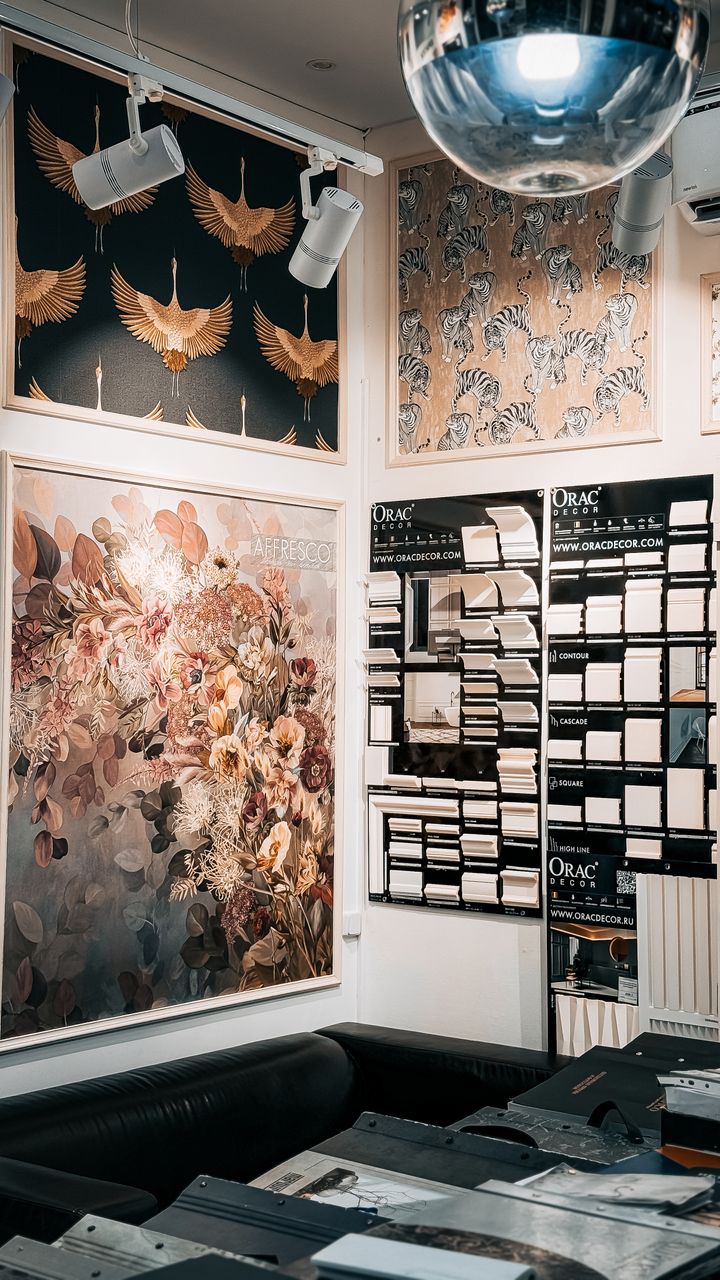
1. Make the Most of Natural Light
Natural light can instantly make a room feel brighter and more open. Avoid covering windows with heavy curtains or bulky furniture, and consider lightweight blinds or sheer curtains instead.
Mirrors can also help by reflecting daylight into darker parts of a room. Positioning a large mirror opposite or close to a window can enhance this effect without requiring structural changes.
2. Choose Lighter Colours
Light colours tend to reflect more light than darker shades, which can help rooms appear larger. Soft whites, creams, pale greys and muted neutral tones are particularly useful for walls and ceilings.
This does not mean every room has to be completely neutral. Colour can still be introduced through artwork, cushions, rugs and other accessories.
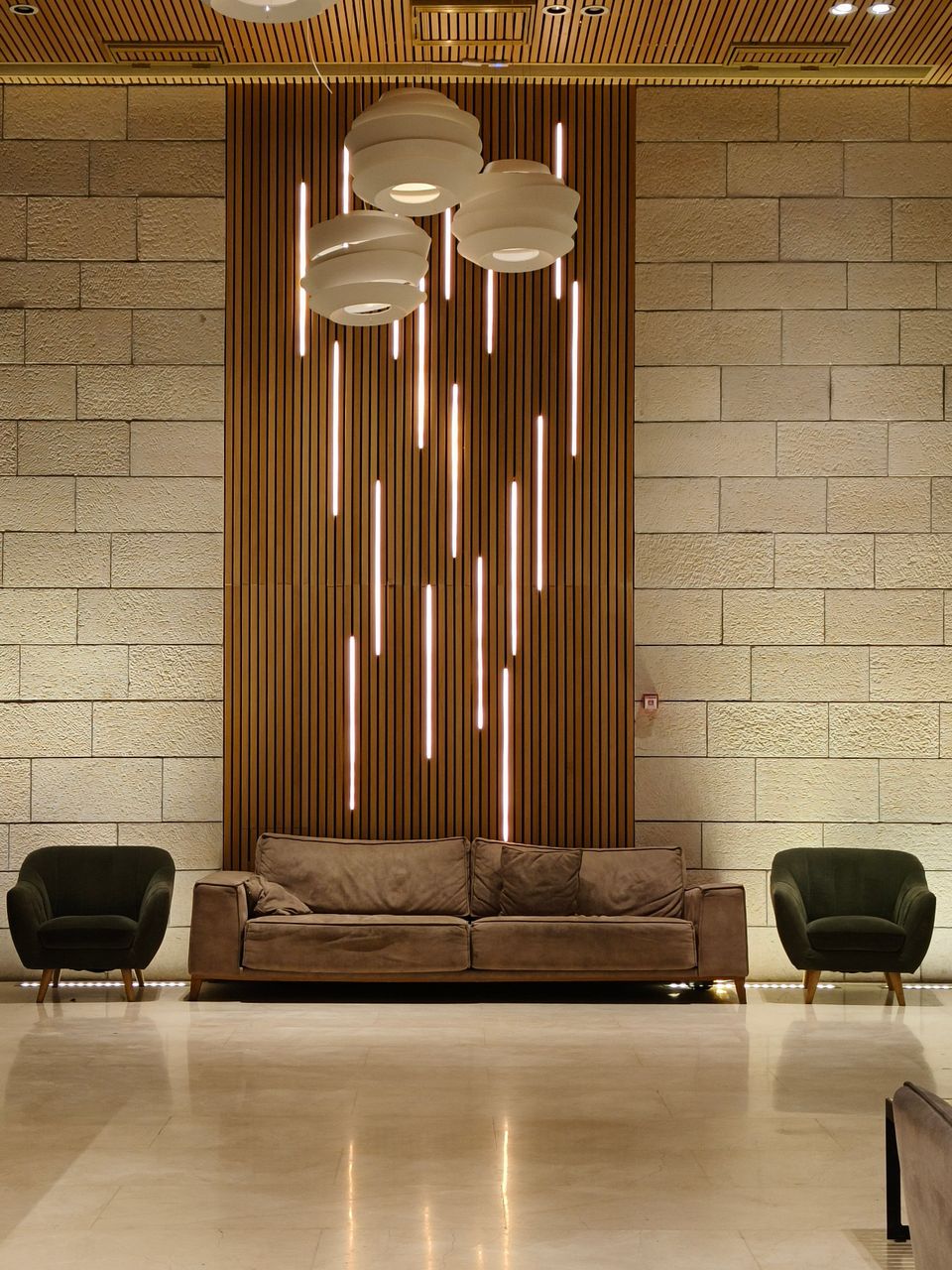
3. Reconsider Traditional Doors
The way doors open can have a surprising impact on usable floor space. Traditional hinged doors require a clear area for their swing, potentially limiting where furniture can be positioned.
Sliding, folding, and glazed designs can offer alternatives, particularly when connecting living areas with gardens or patios. Options like aluminium sliding doors by Slide & Fold show how alternative door styles can reduce the need for swing space while creating a more open and flexible layout.
4. Use Furniture That Fits the Room
Oversized furniture can quickly overwhelm a small room. Instead of choosing the largest sofa, table, or storage unit available, consider the proportions of the space.
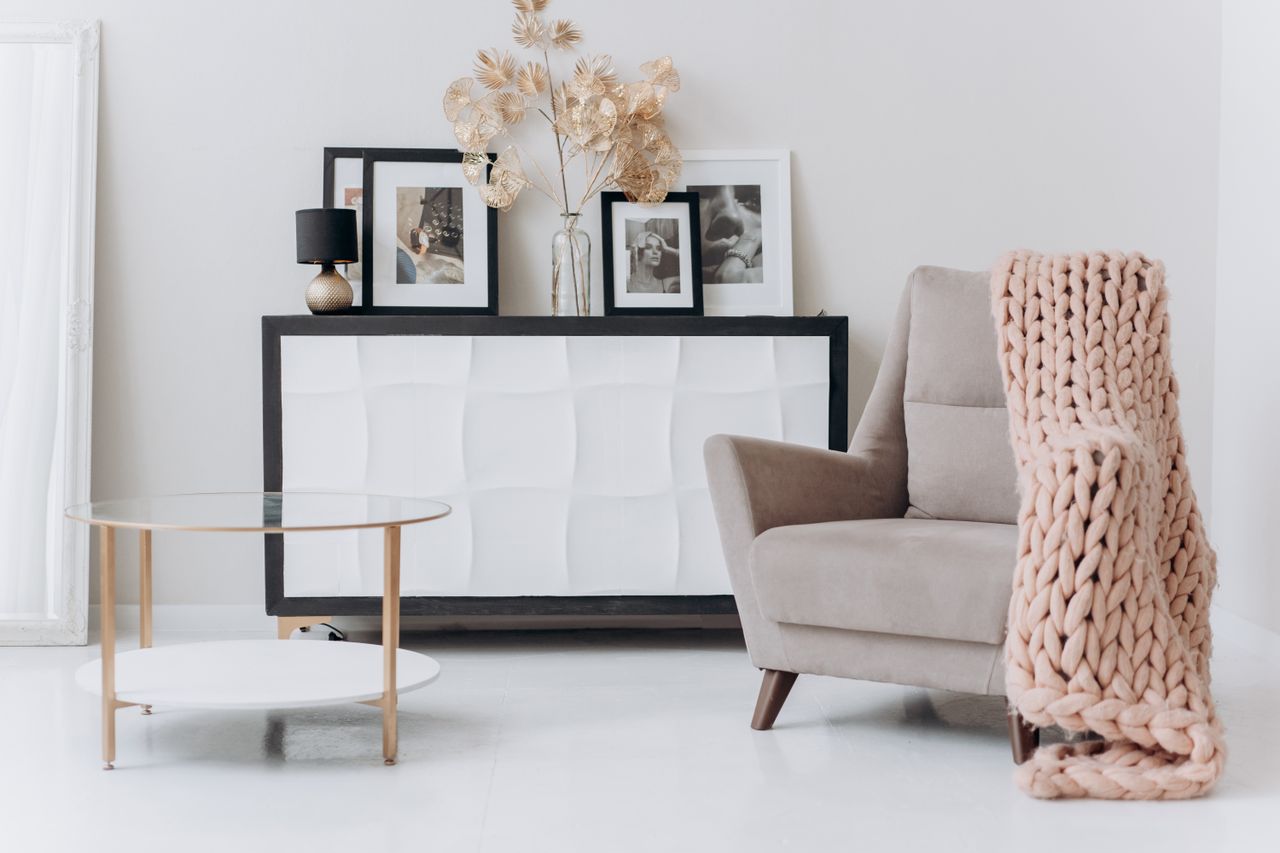
Furniture with exposed legs can be especially effective because being able to see more of the floor creates a greater sense of openness. Glass or slim-profile tables can achieve a similar result.
5. Take Storage Upwards
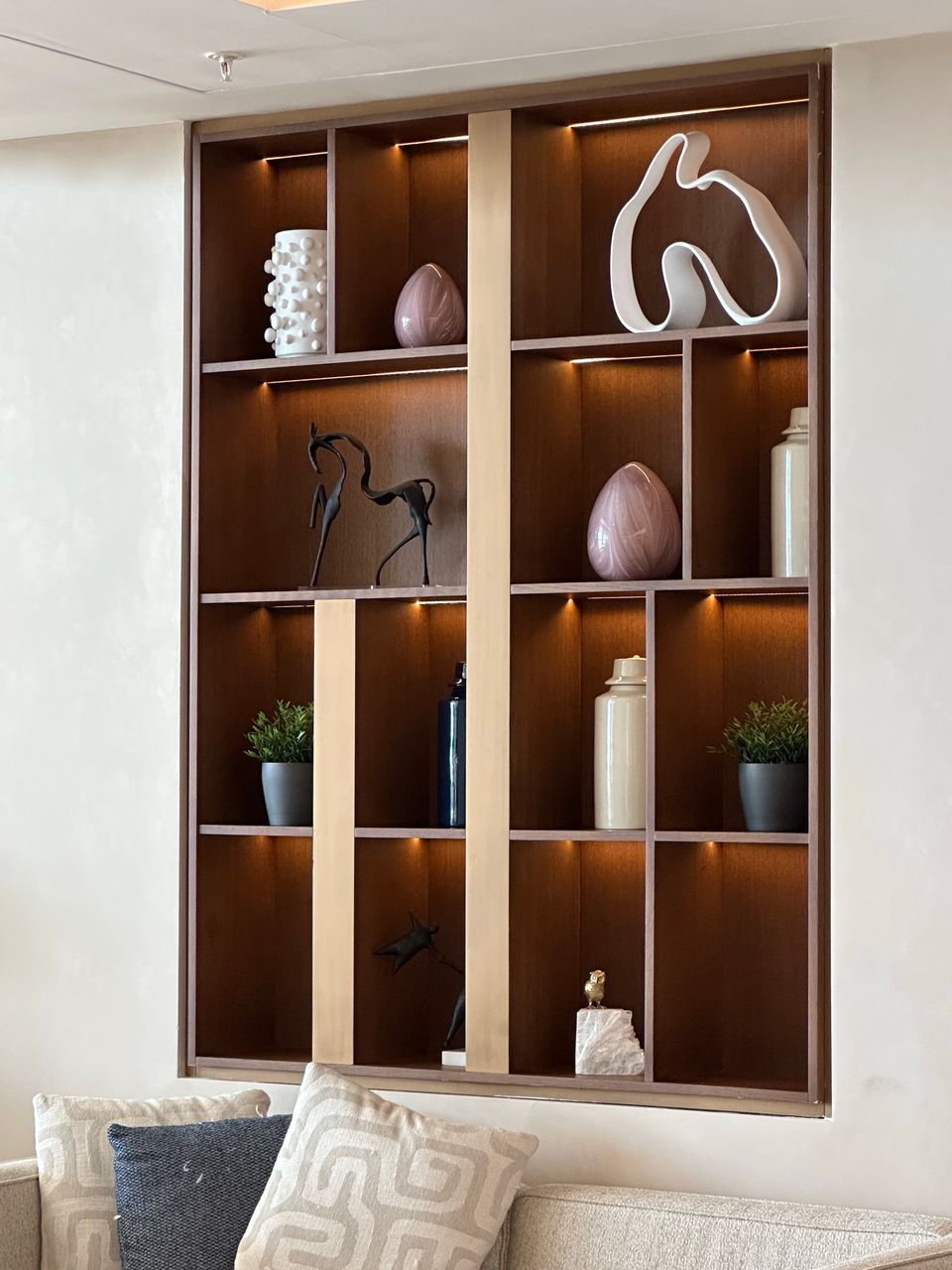
When floor space is limited, vertical storage can make better use of the room. Tall shelving units, fitted cupboards and wall-mounted cabinets provide storage without occupying unnecessary floor area.
Drawing the eye upwards can also emphasise the height of a room, helping it feel less confined.
6. Keep Walkways Clear
A spacious home should be easy to move around. Furniture blocking natural routes between doors, seating areas and other rooms can make even a relatively large space feel cramped.
Try arranging furniture so that there are clear, uninterrupted walkways. Removing unnecessary pieces can sometimes have a greater impact than adding new furnishings.
7. Create Visual Continuity
Too many abrupt changes in flooring, colour and materials can visually divide a home into smaller sections. Using consistent flooring across adjoining spaces or repeating similar colours and finishes can make rooms feel more connected.
Creating Space Through Smarter Design
Making a home feel larger is often about improving light, movement and visual continuity rather than physically extending it. Carefully selected colours, appropriately sized furniture, practical storage and more efficient layouts can all contribute.
By focusing on how each element interacts with the available space, homeowners can create interiors that feel brighter, calmer and considerably more open.
Leave a comment below and follow Style Cartel on Instagram, Facebook, and TikTok for more exclusive fashion advice and luxury life news!
